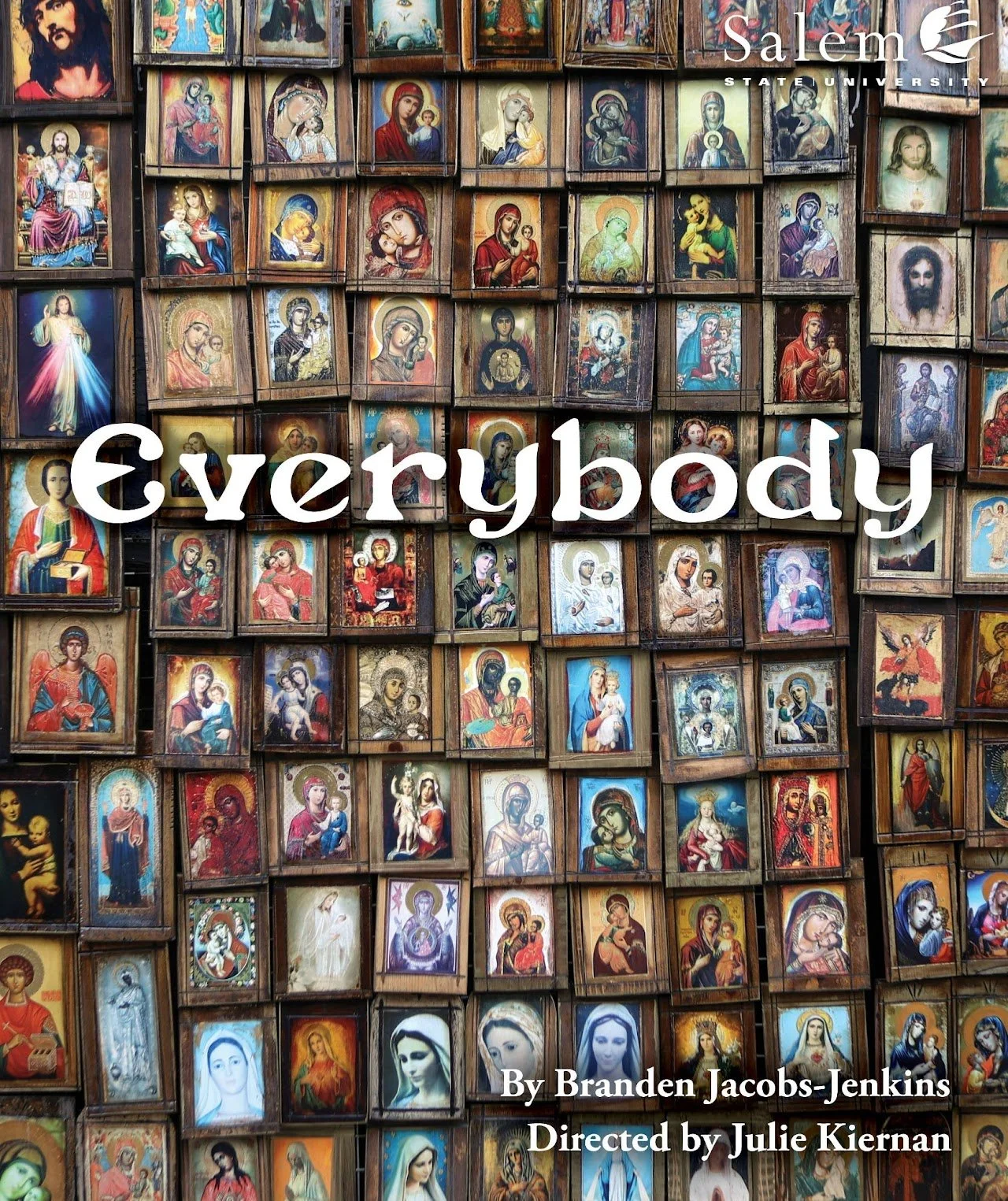
Everybody
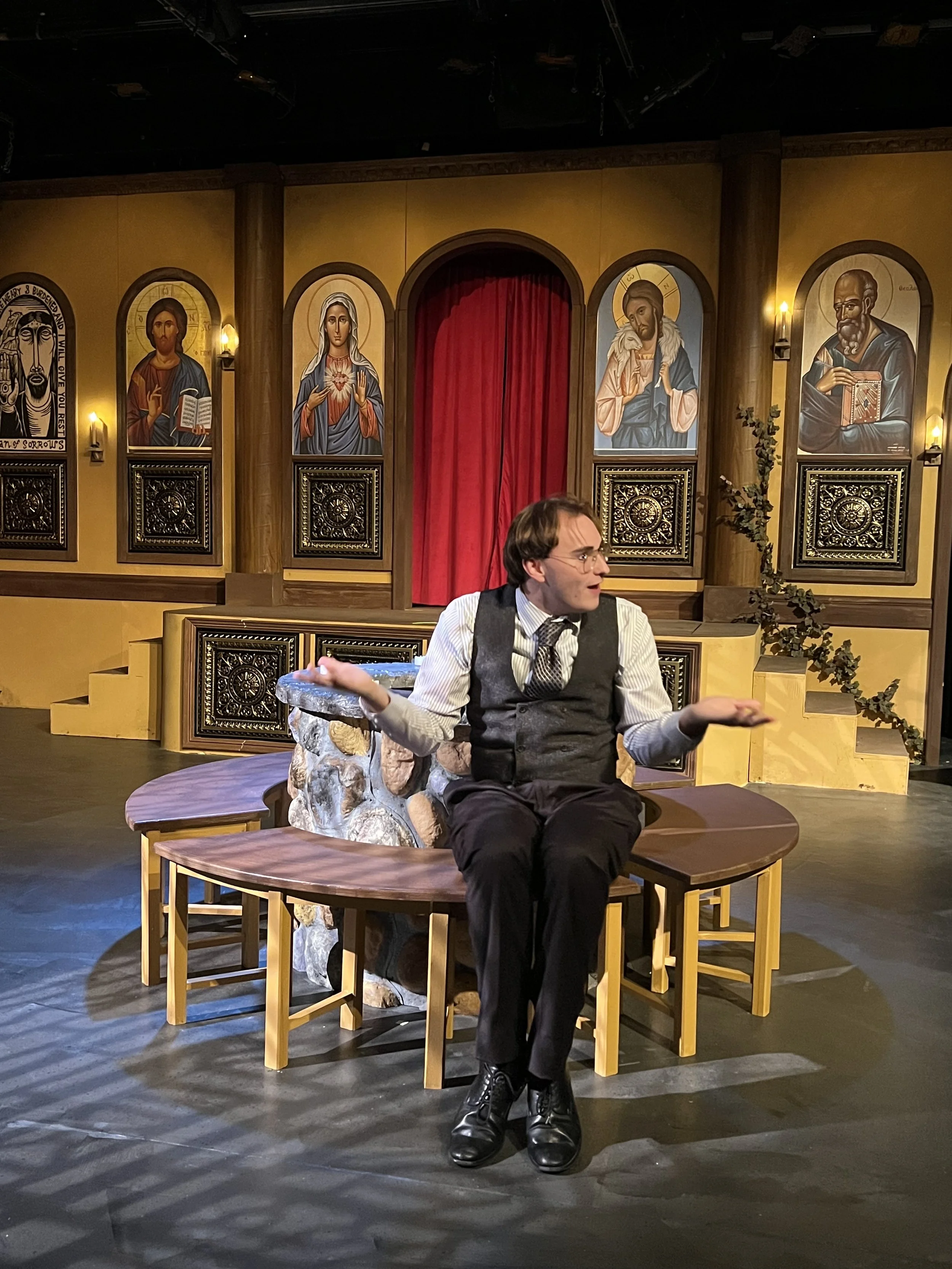
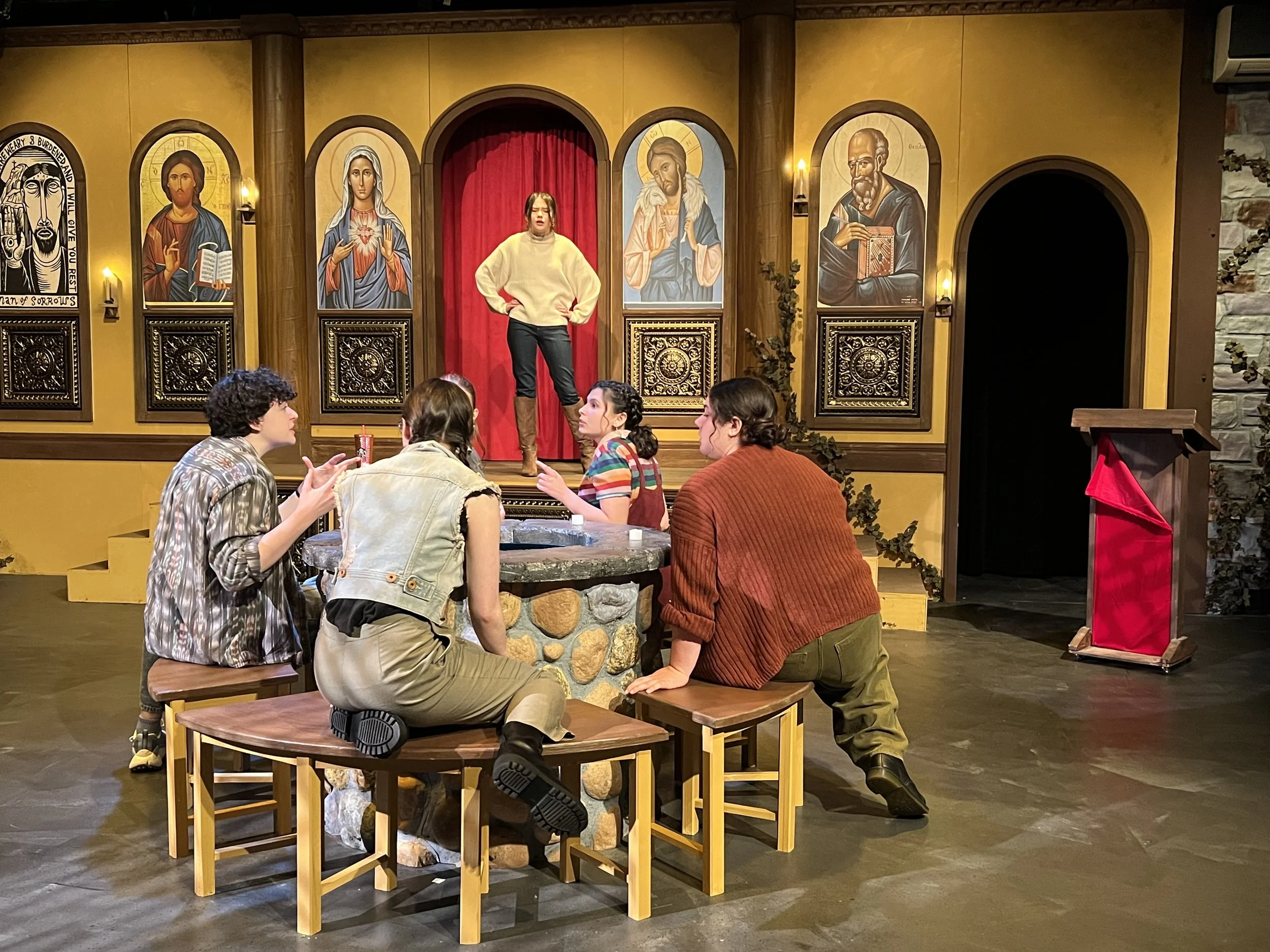
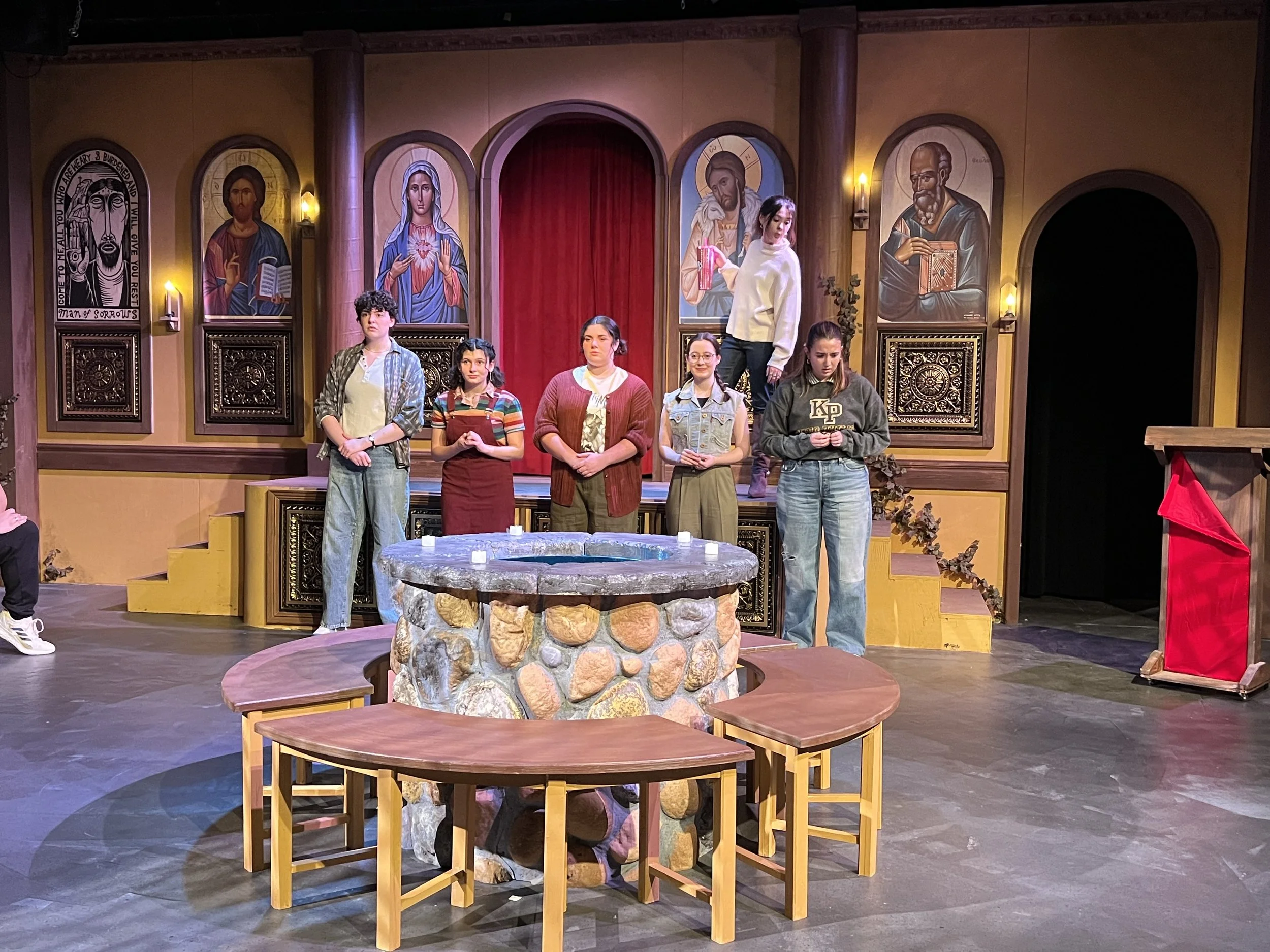
Photo Credit: Julie Kiernan
Everybody by Branden Jacobs-Jenkins
Directed by Julie Kiernan
Everybody - Director’s note
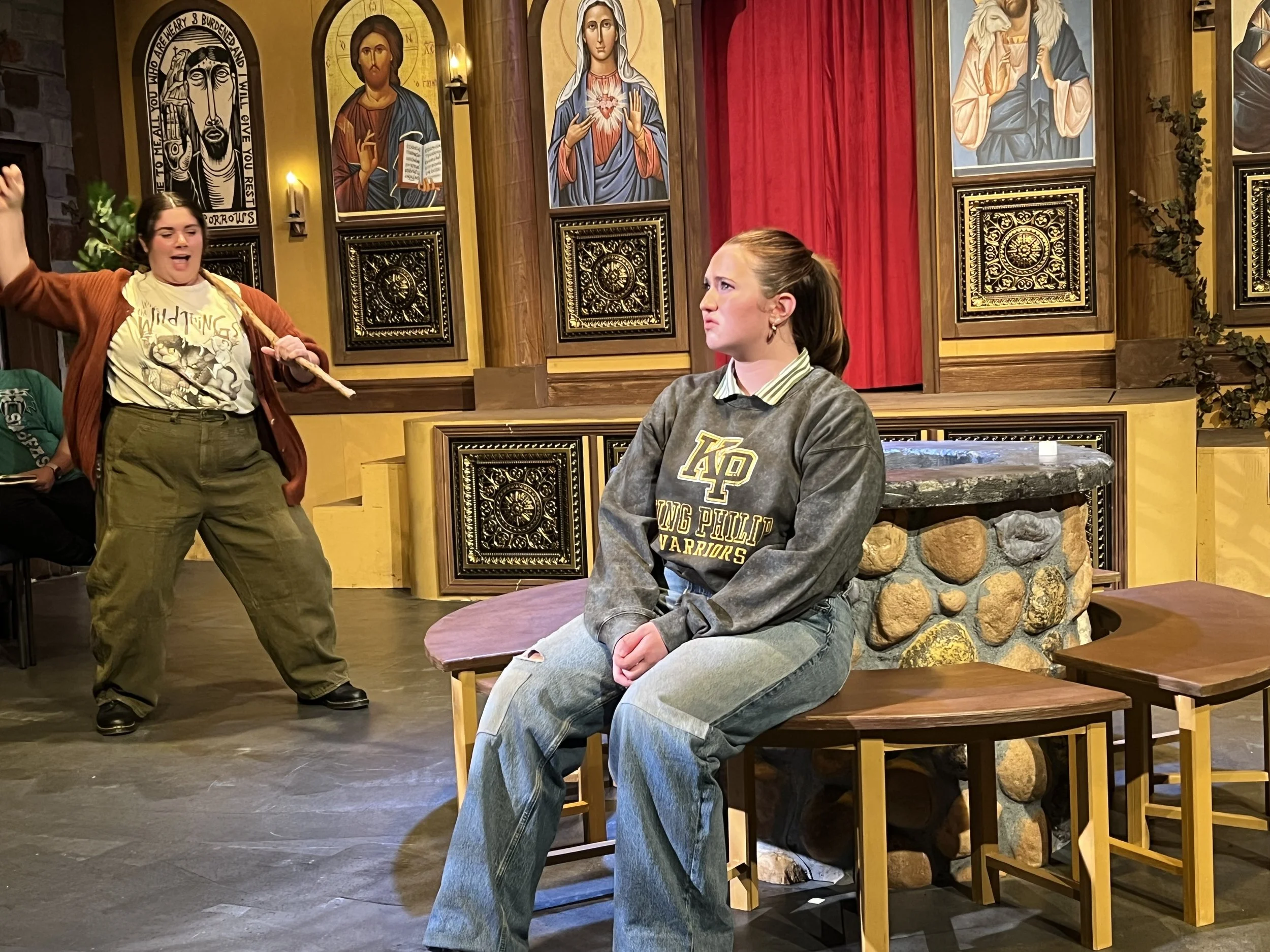
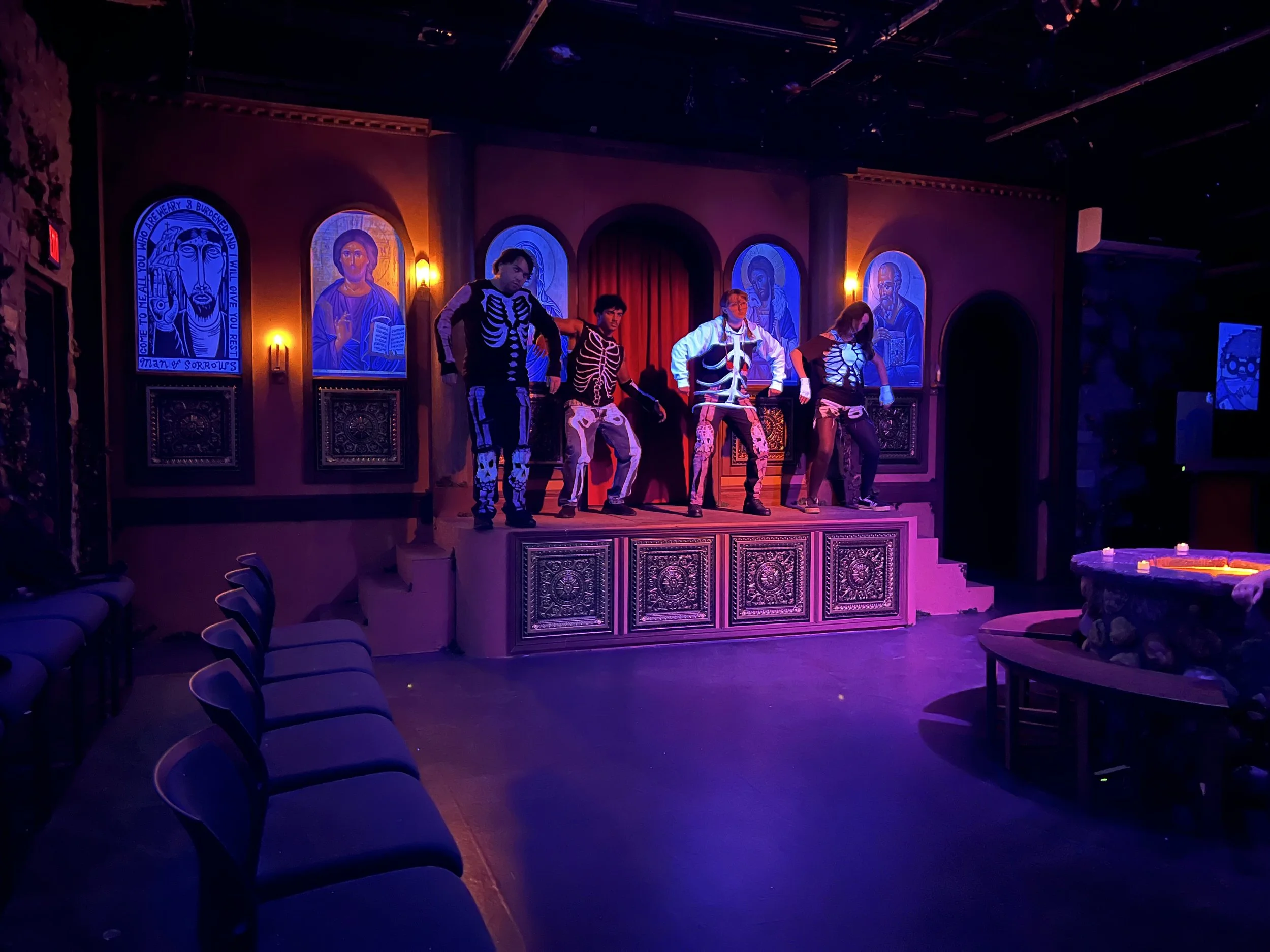
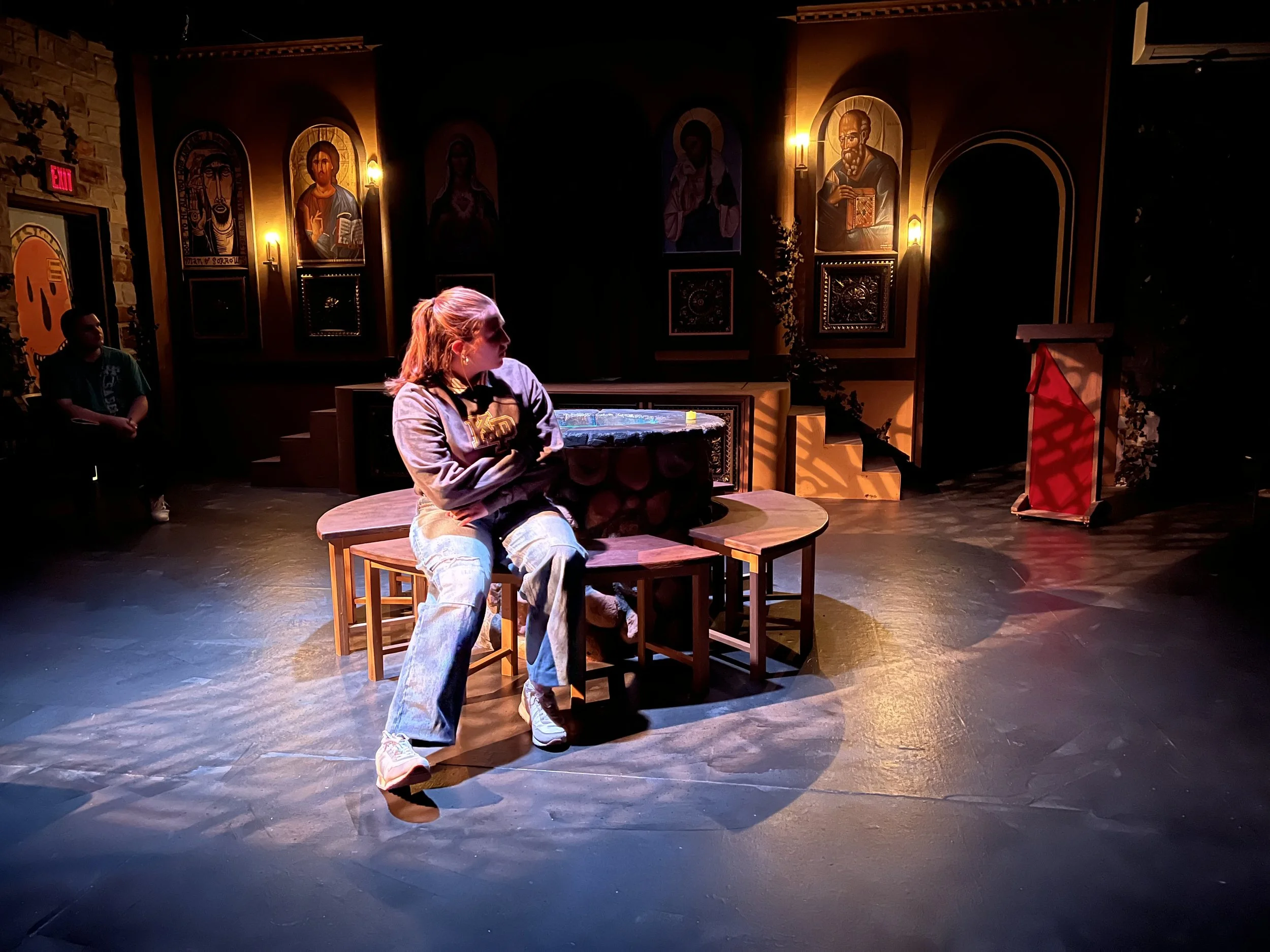
The play Everybody employs a metatheatrical play structure, meaning it challenges realism, breaking the fourth wall by addressing the audience directly, exposing theatricality, and using comedic effects to create space for the audience to access and engage with difficult content.
What is the difficult content of Everybody, you ask? Death. Sorry, not sorry.
Upon reading Everybody I was instantly reminded of the following passage by Nichiren, a Japanese Buddhist monk and philosopher:
The life of a human being is fleeting. The exhaled breath never waits for the inhaled one. Even dew before the wind is hardly a sufficient metaphor. It is the way of the world that whether one is wise or foolish, old or young, one never knows what will happen to one from one moment to the next. Therefore I should first of all learn about death, and then about other things.
The Importance of the Moment of Death, July 14, 1278
Welcome to the world of Everybody, where you will witness an overtly theatrical exploration into what might happen to each of us when we are thrust into the liminal space between life and death.
Why are we born? Is there a purpose?
I have long believed the Buddhist sentiment above that if I want to understand life, I must first study death.
I am grateful to the team of creative theatre artists who collaboratively brought this production to life. We present to you, our audience, a 90-minute opportunity to begin, continue, or question your own study of death. Which—spoiler alert—is a study on living life.
Julie Kiernan
Director
Nichiren Daishonin. “The Importance of the Moment of Death.” Writings of Nichiren Daishonin Volume II, letter 297, page 759. Accessible online Soka Gakkai Nichiren Buddhism Library, www.nichirenlibrary.org/en/wnd-2/Content/297. Accessed 24 Sept. 2025.