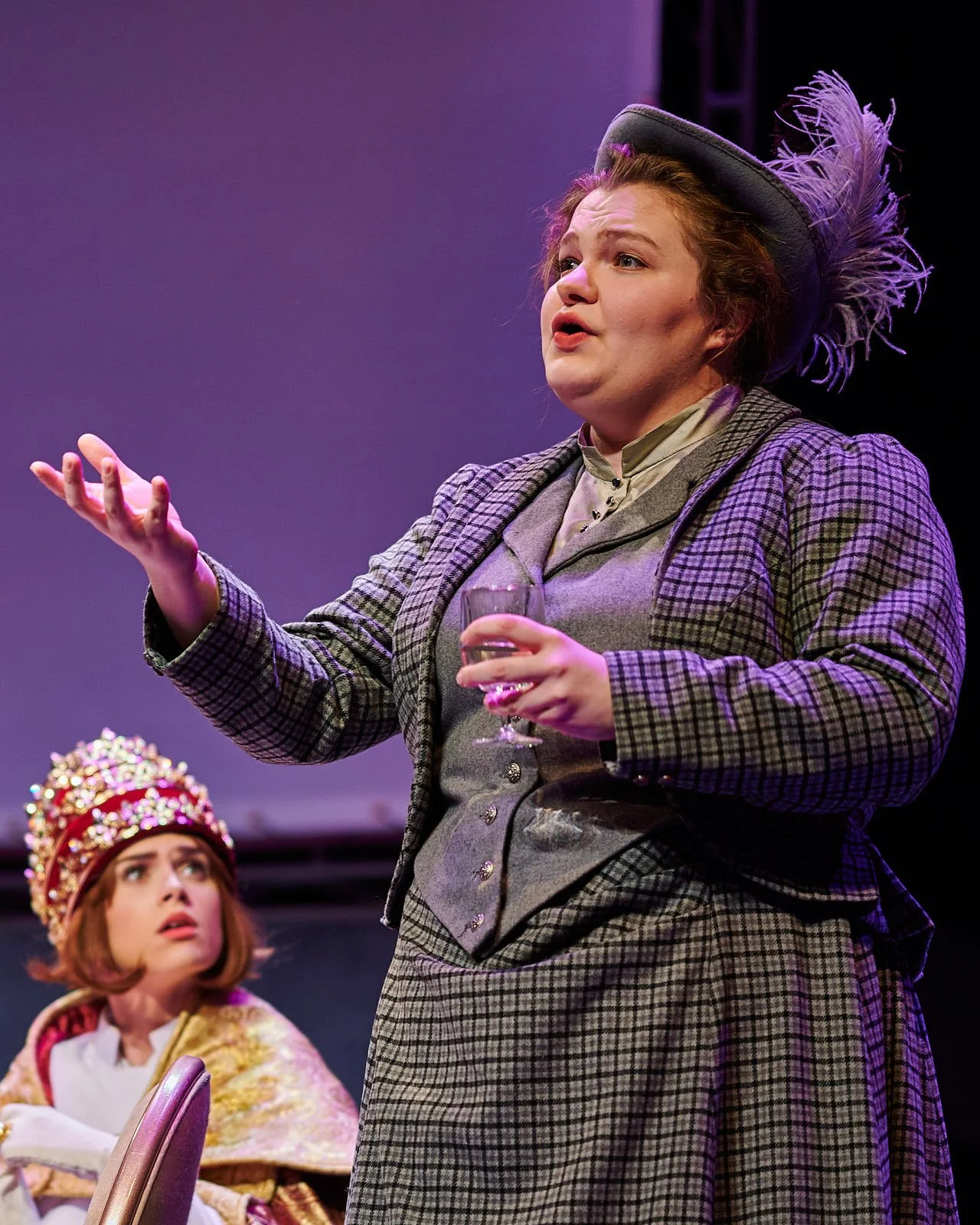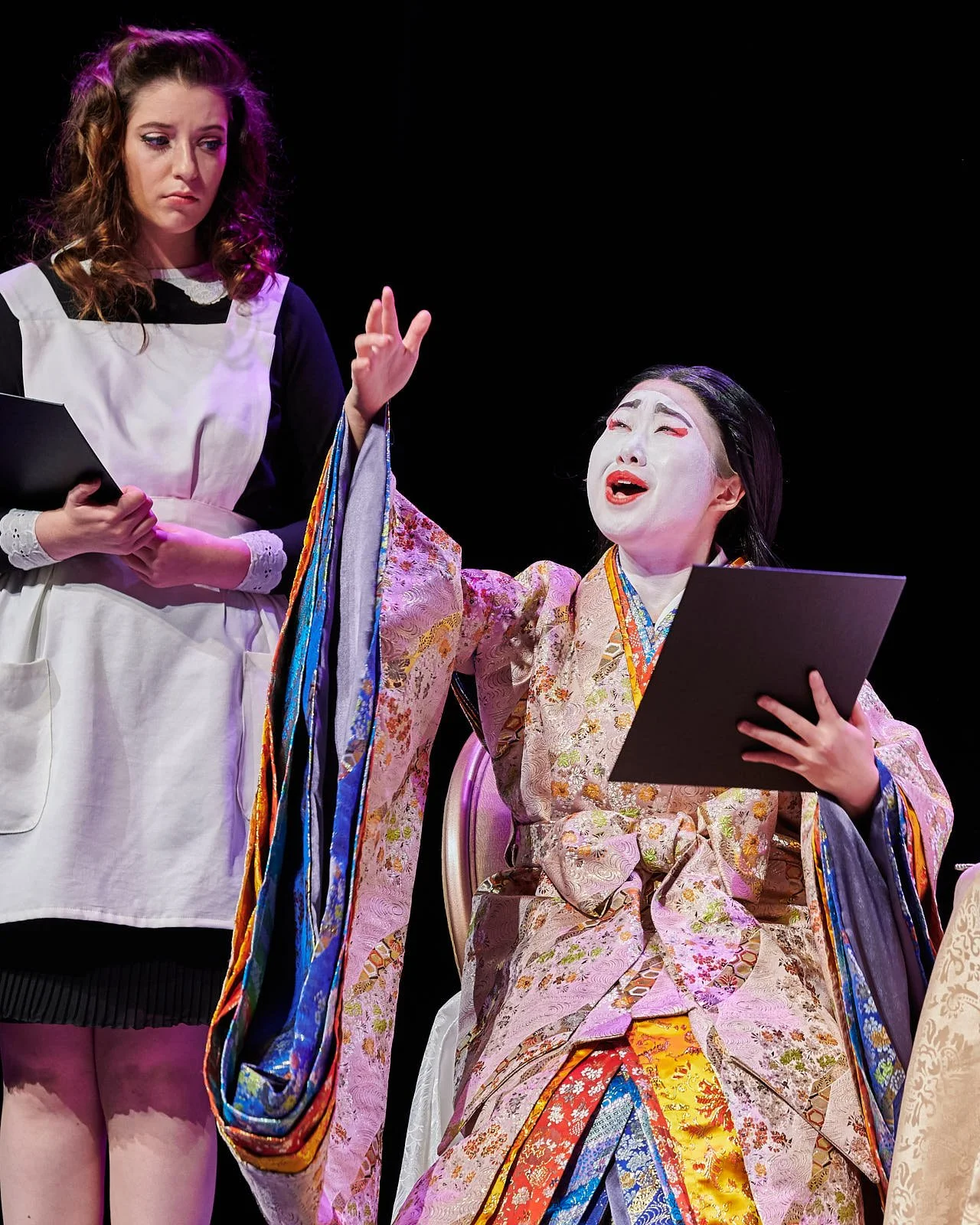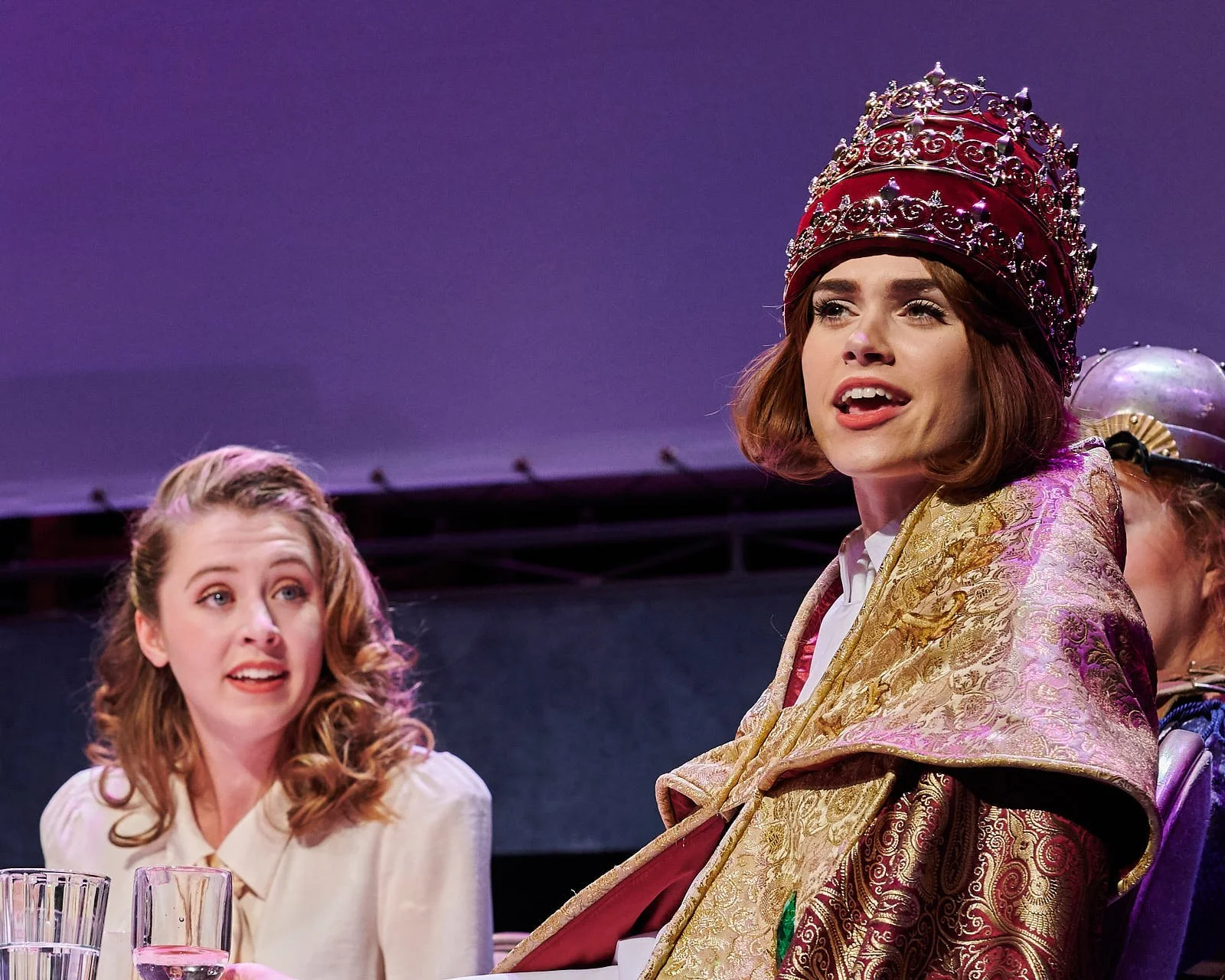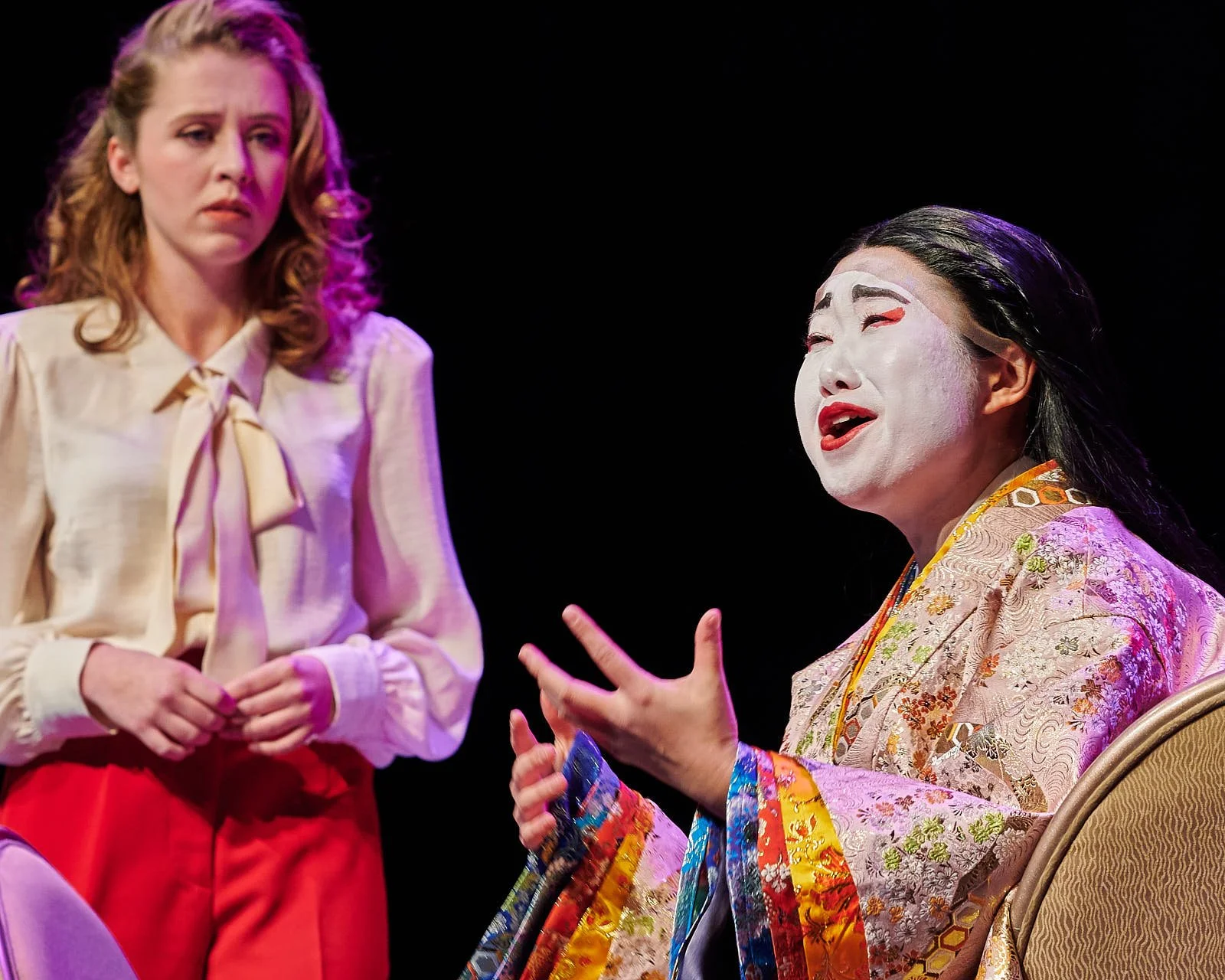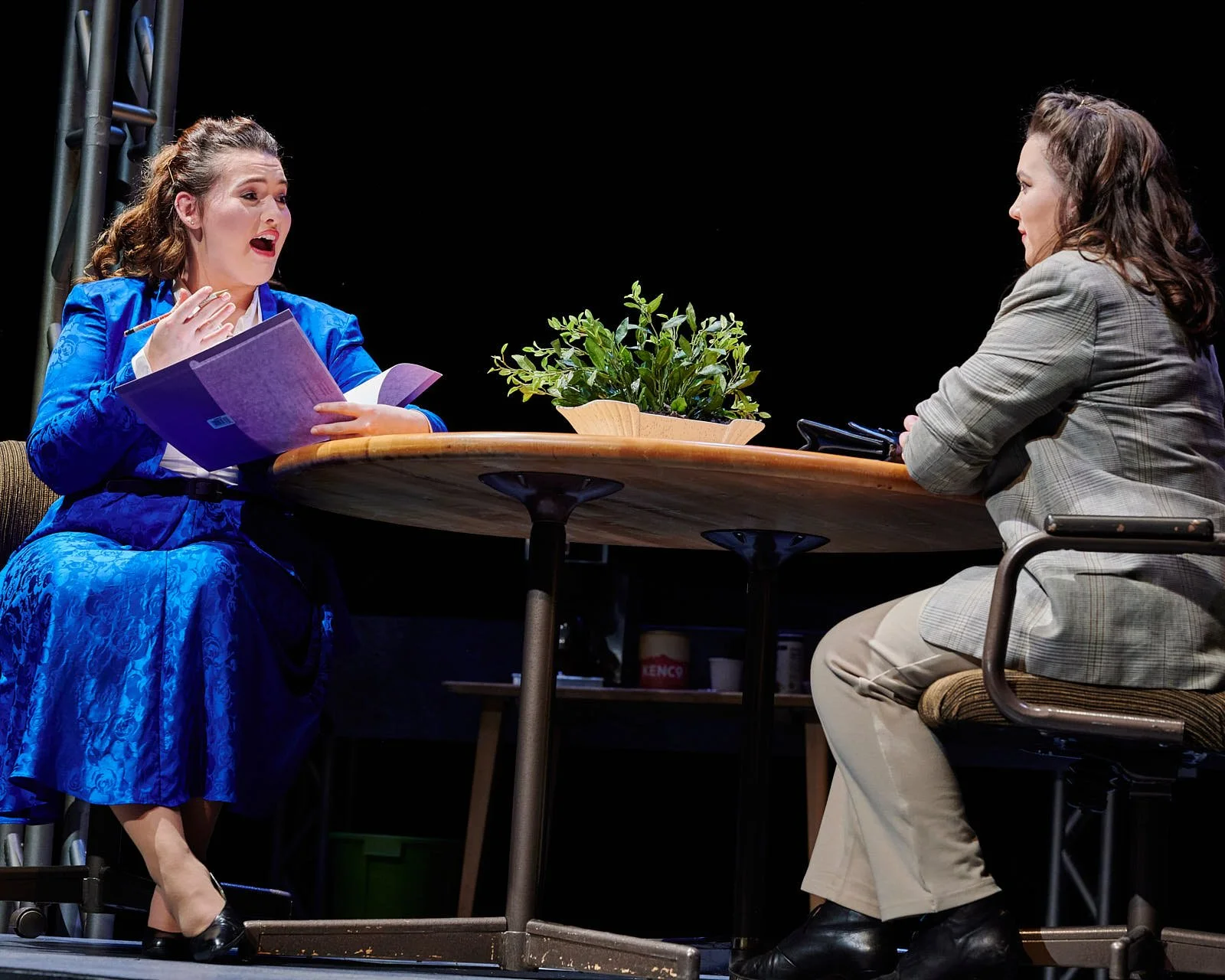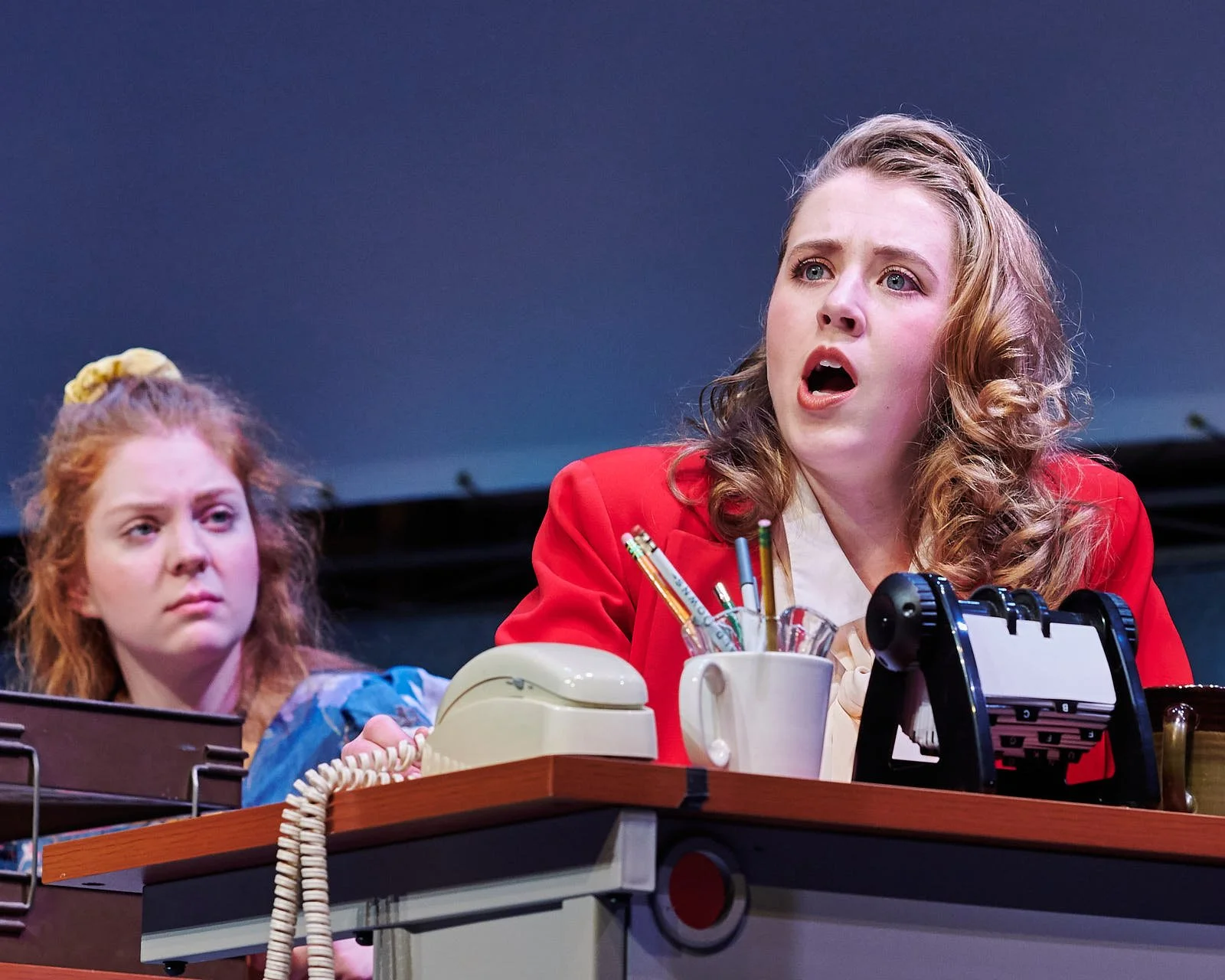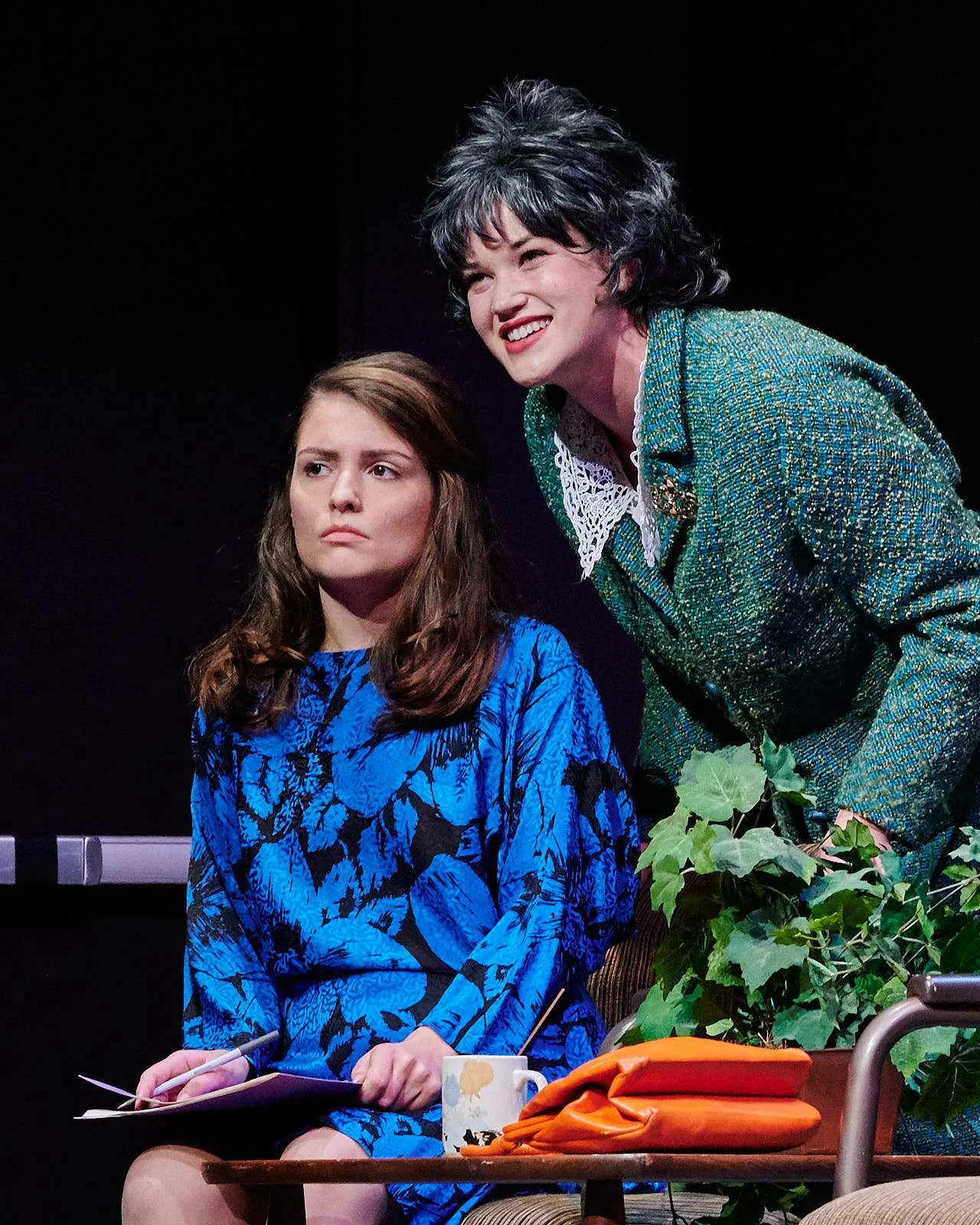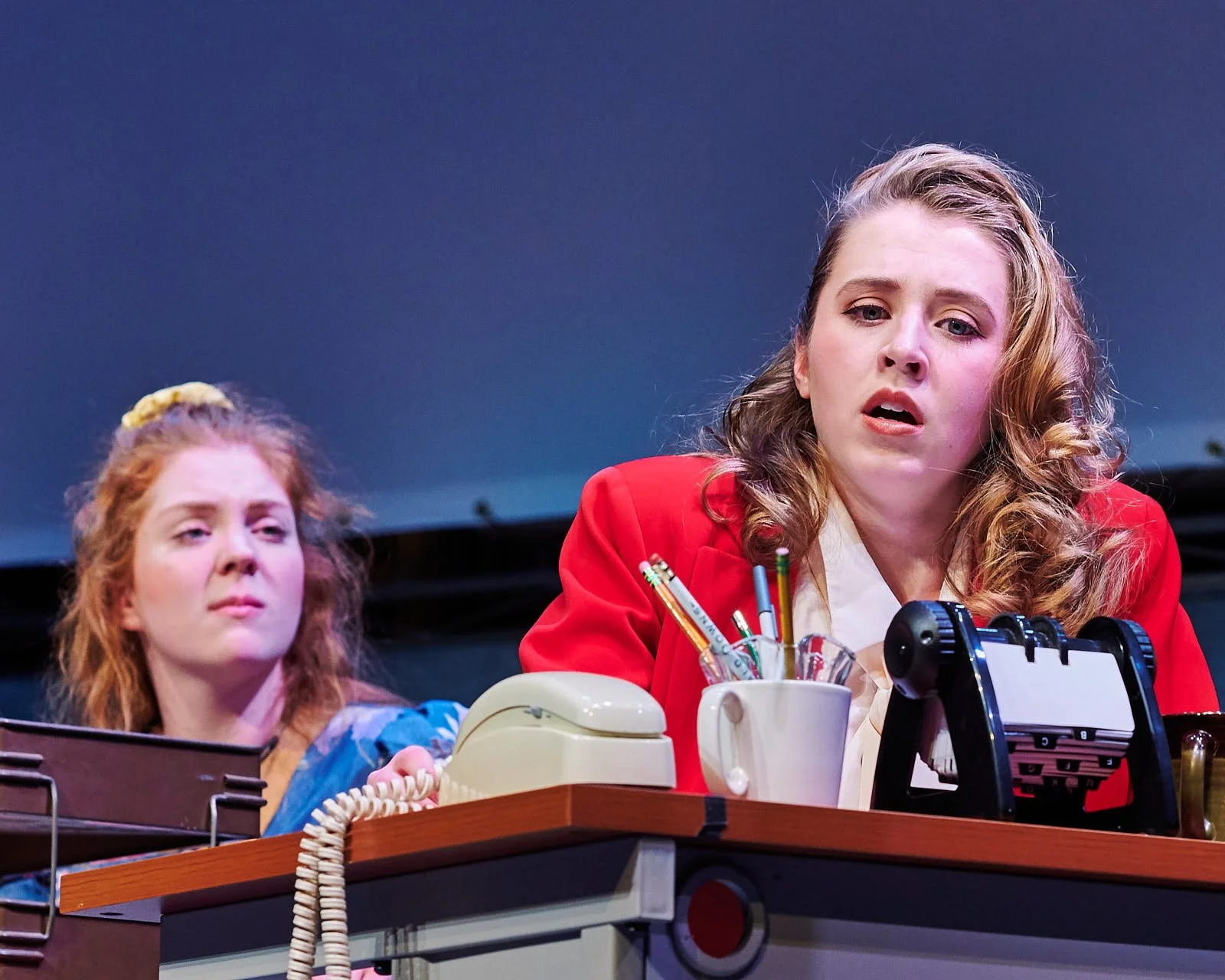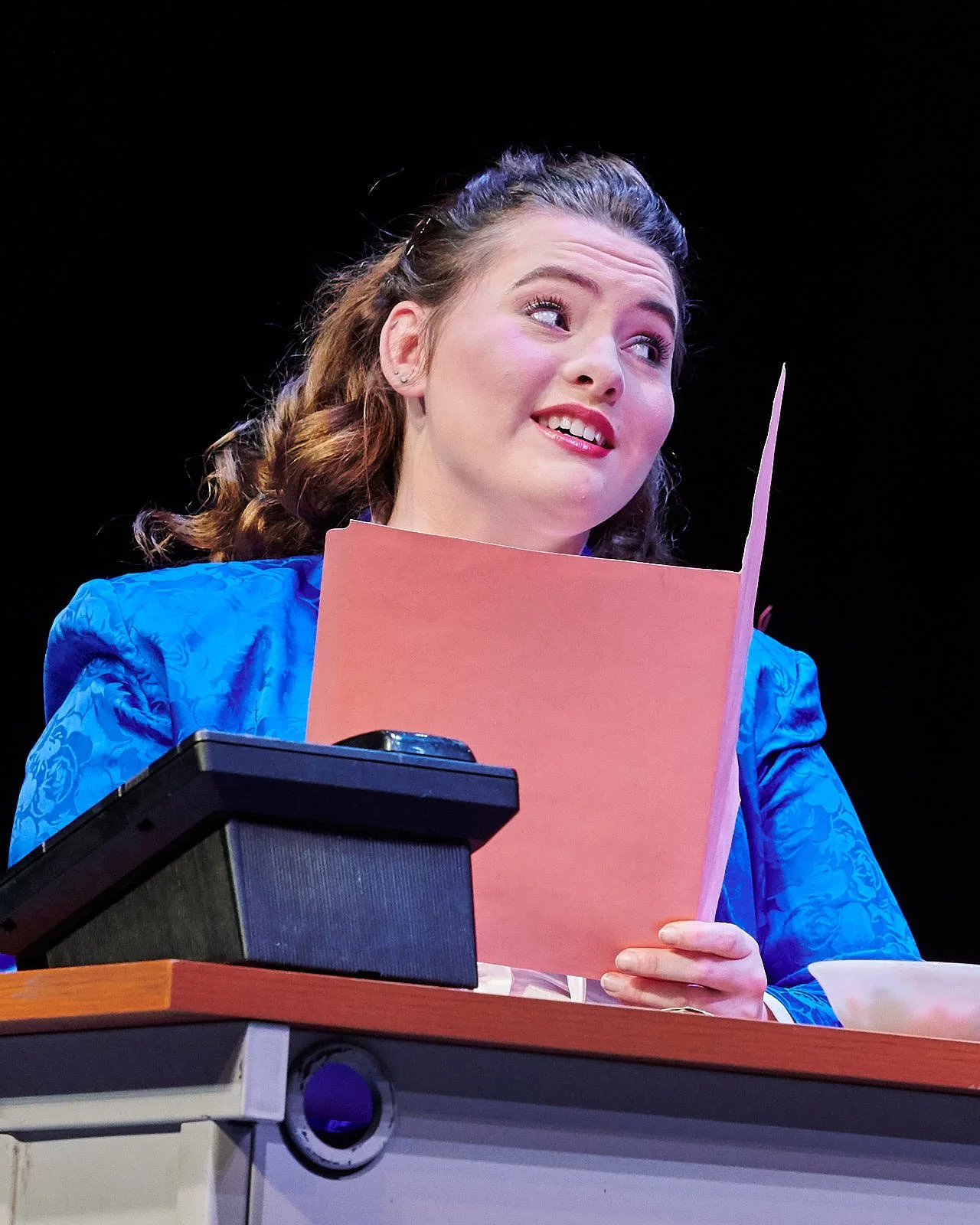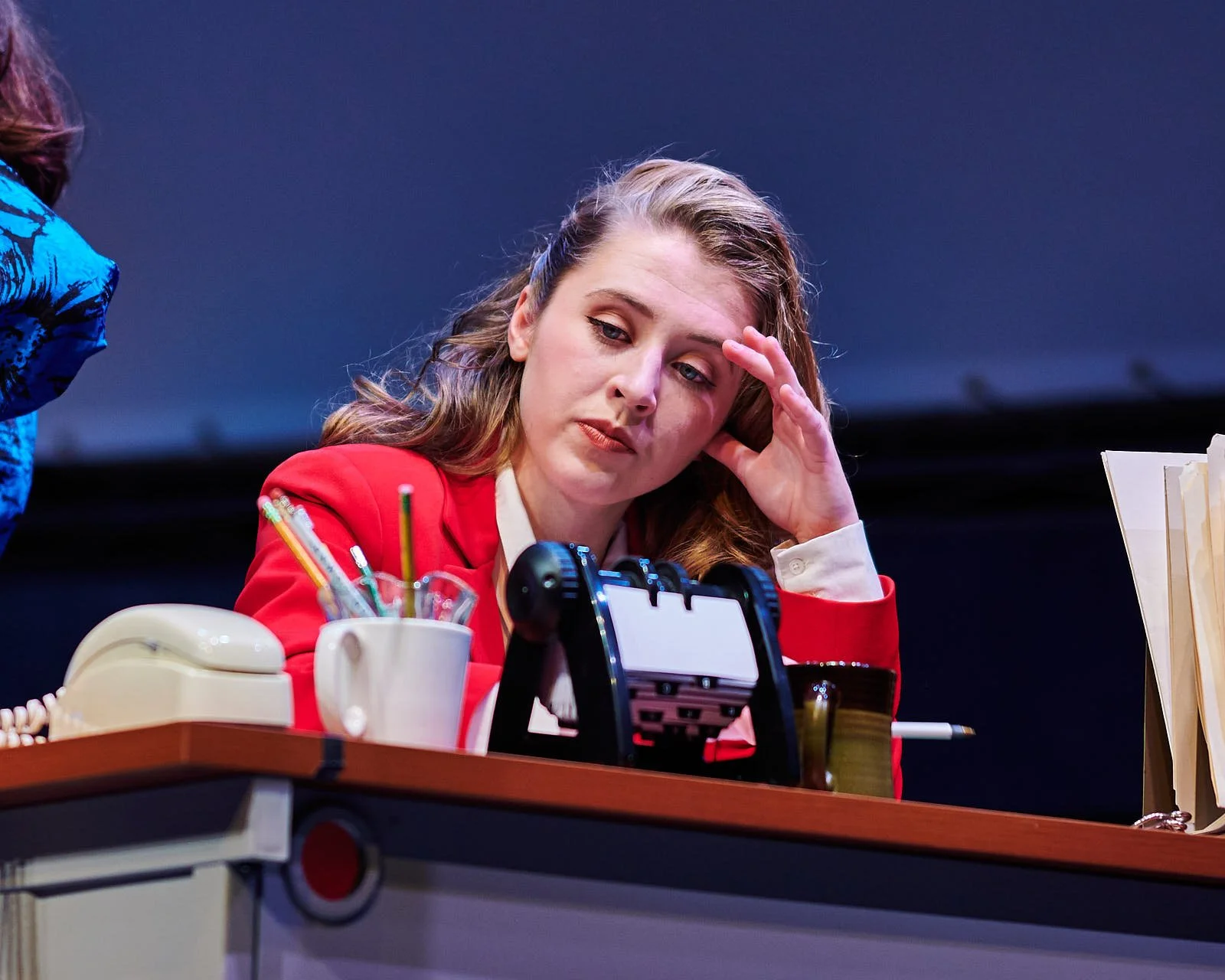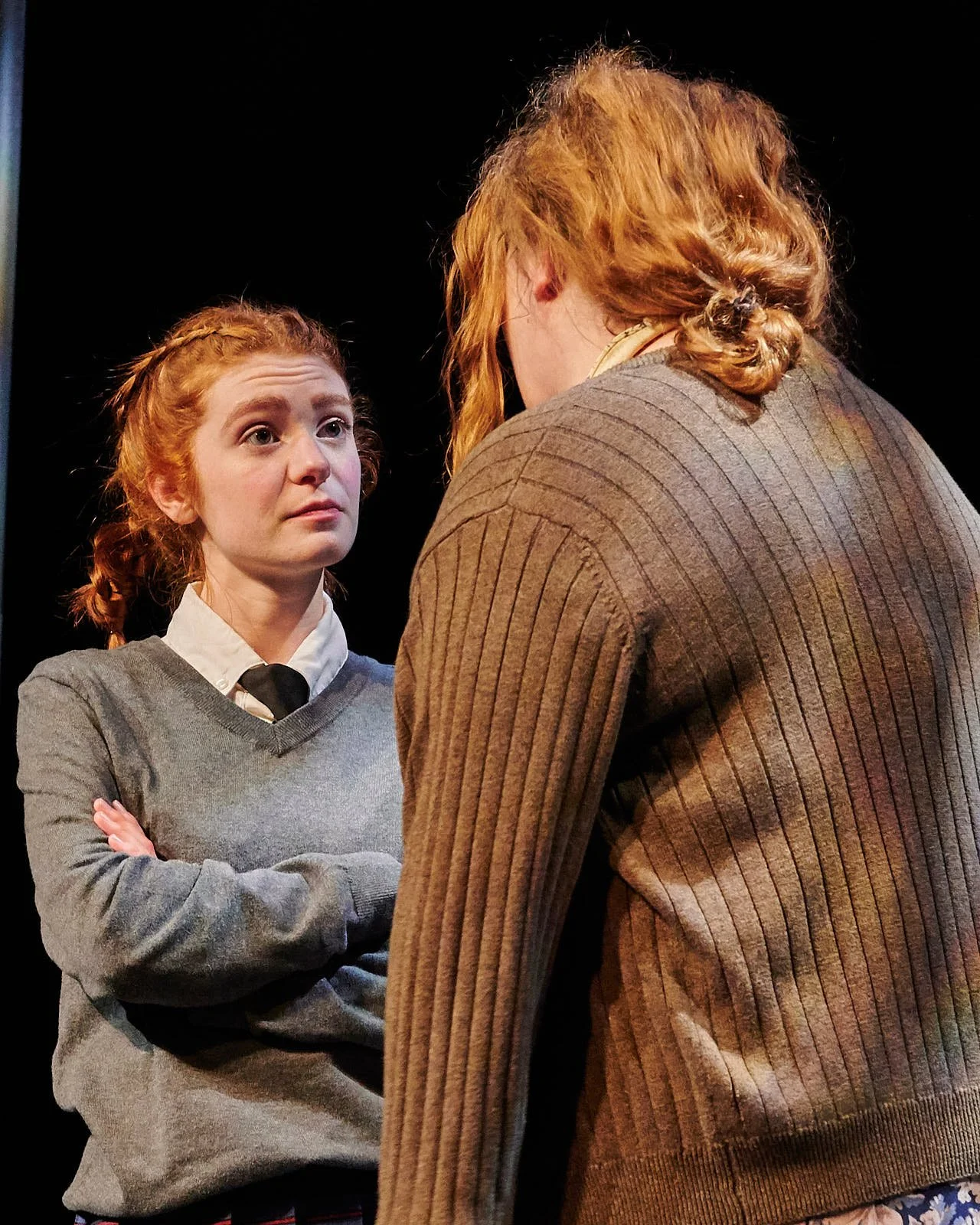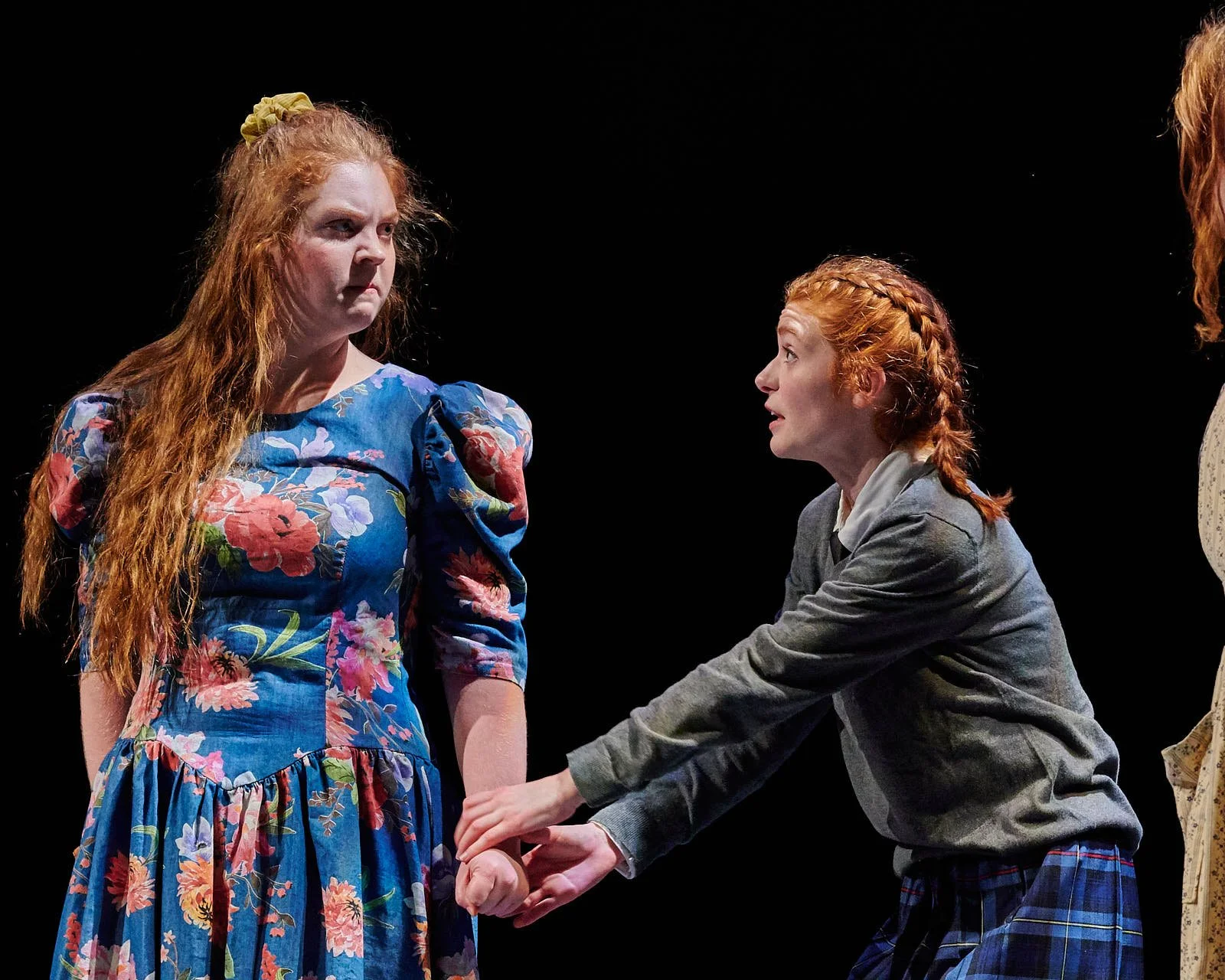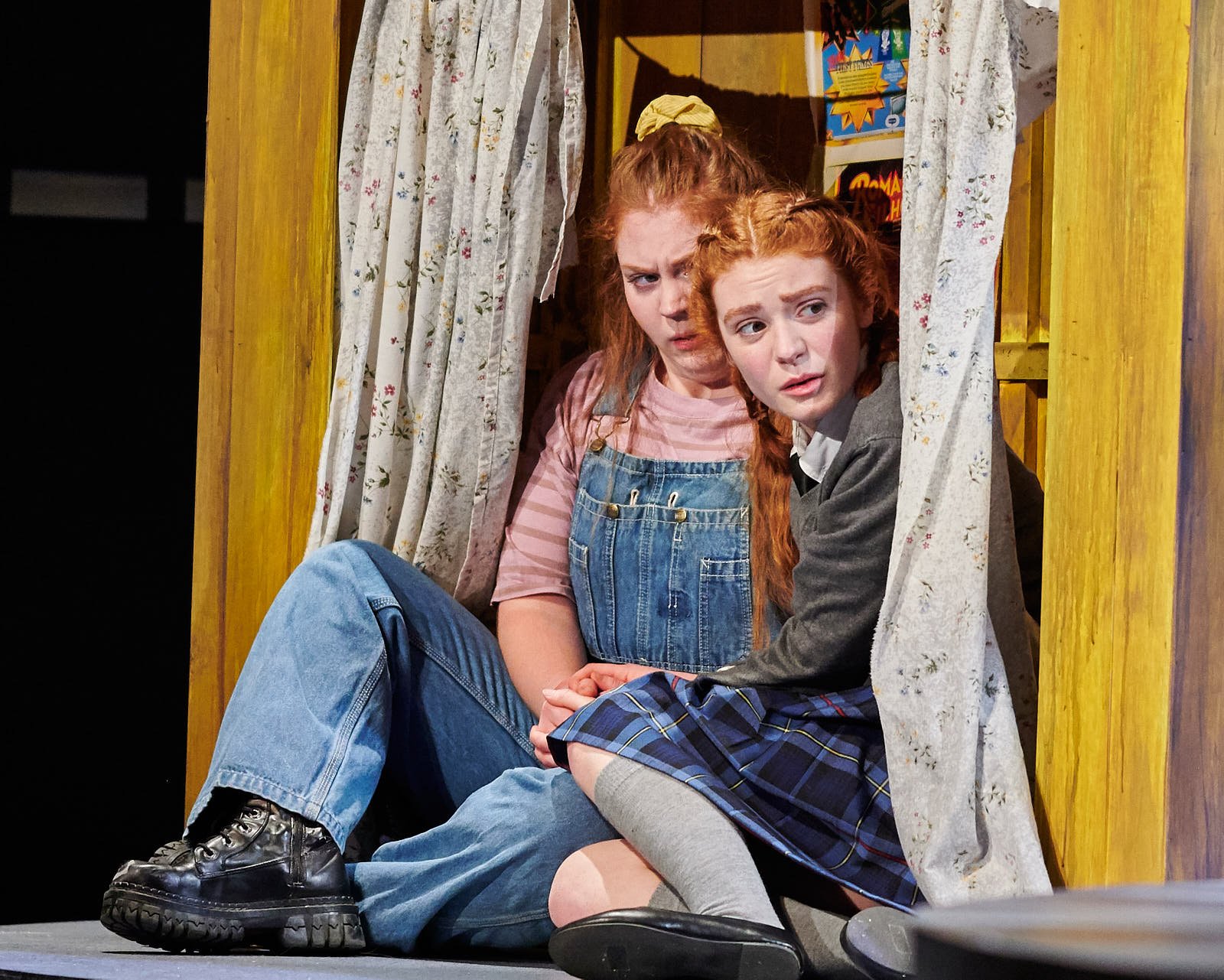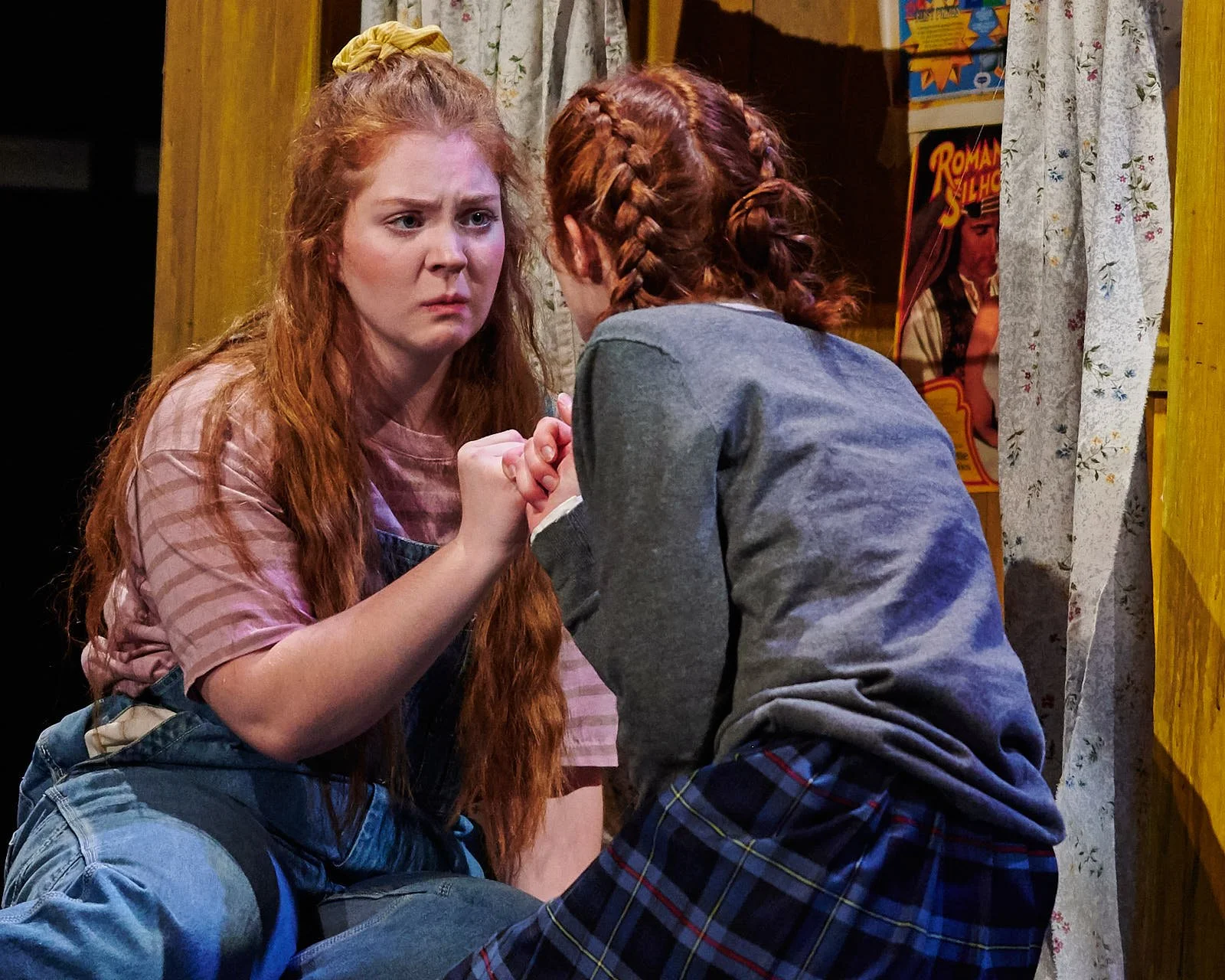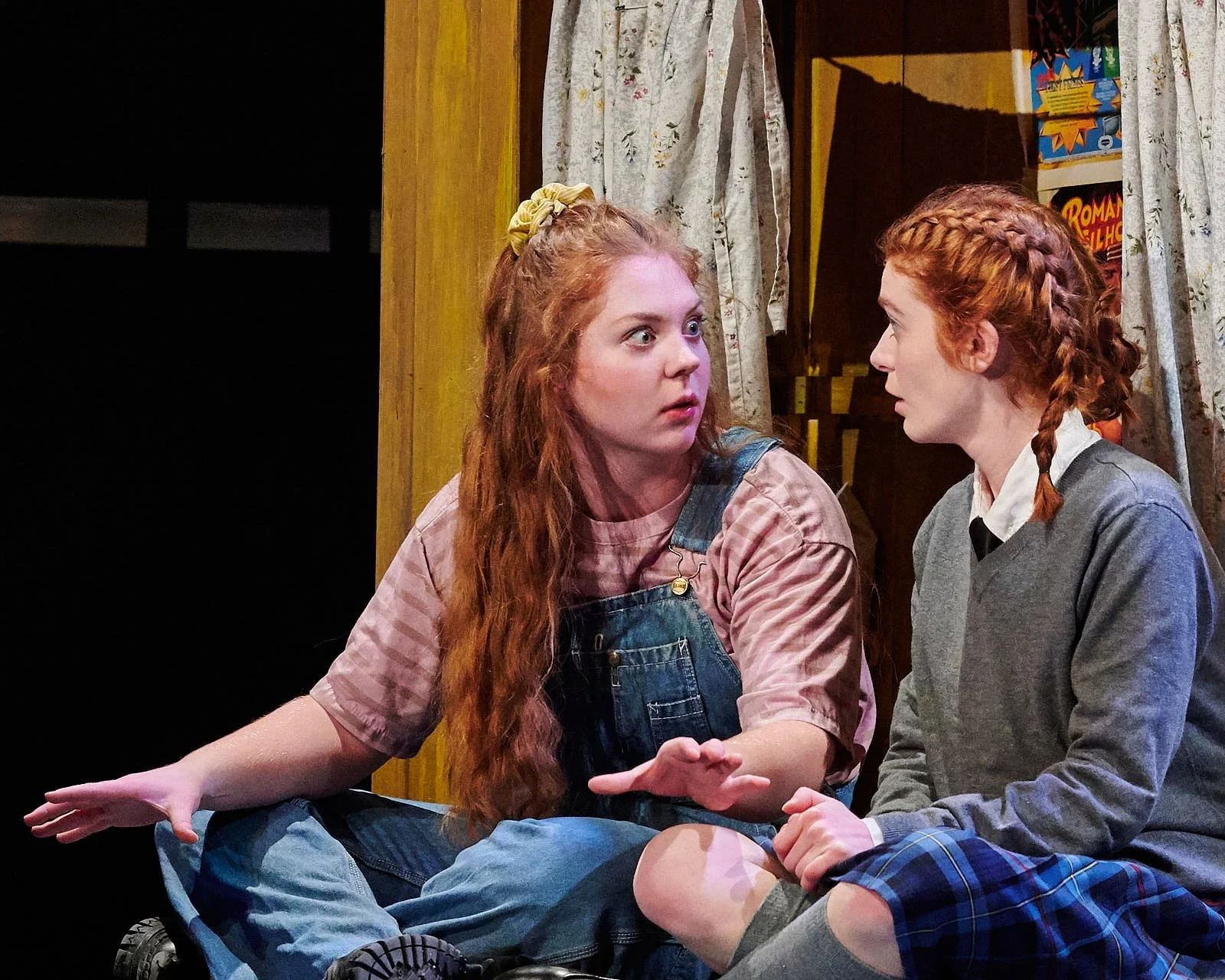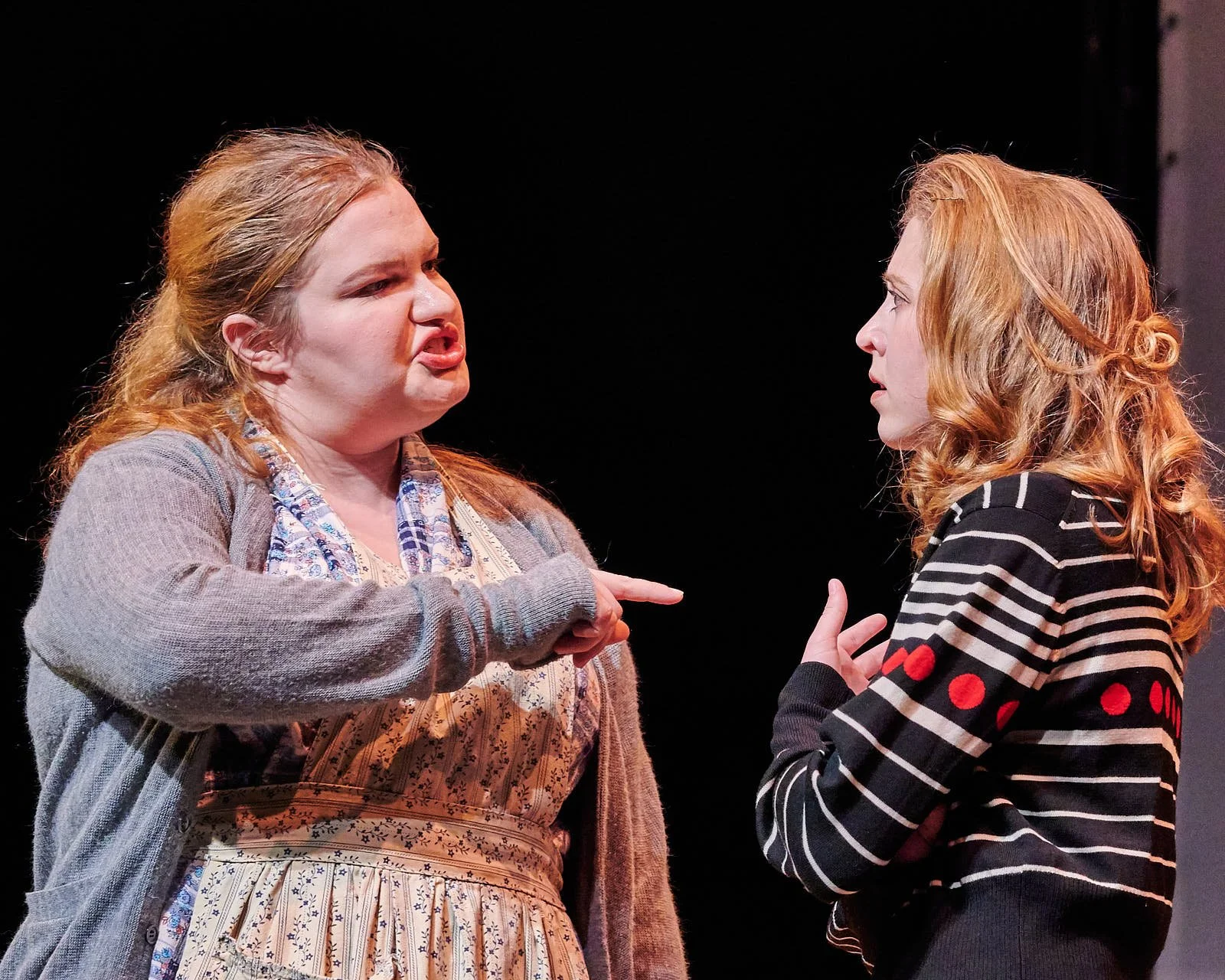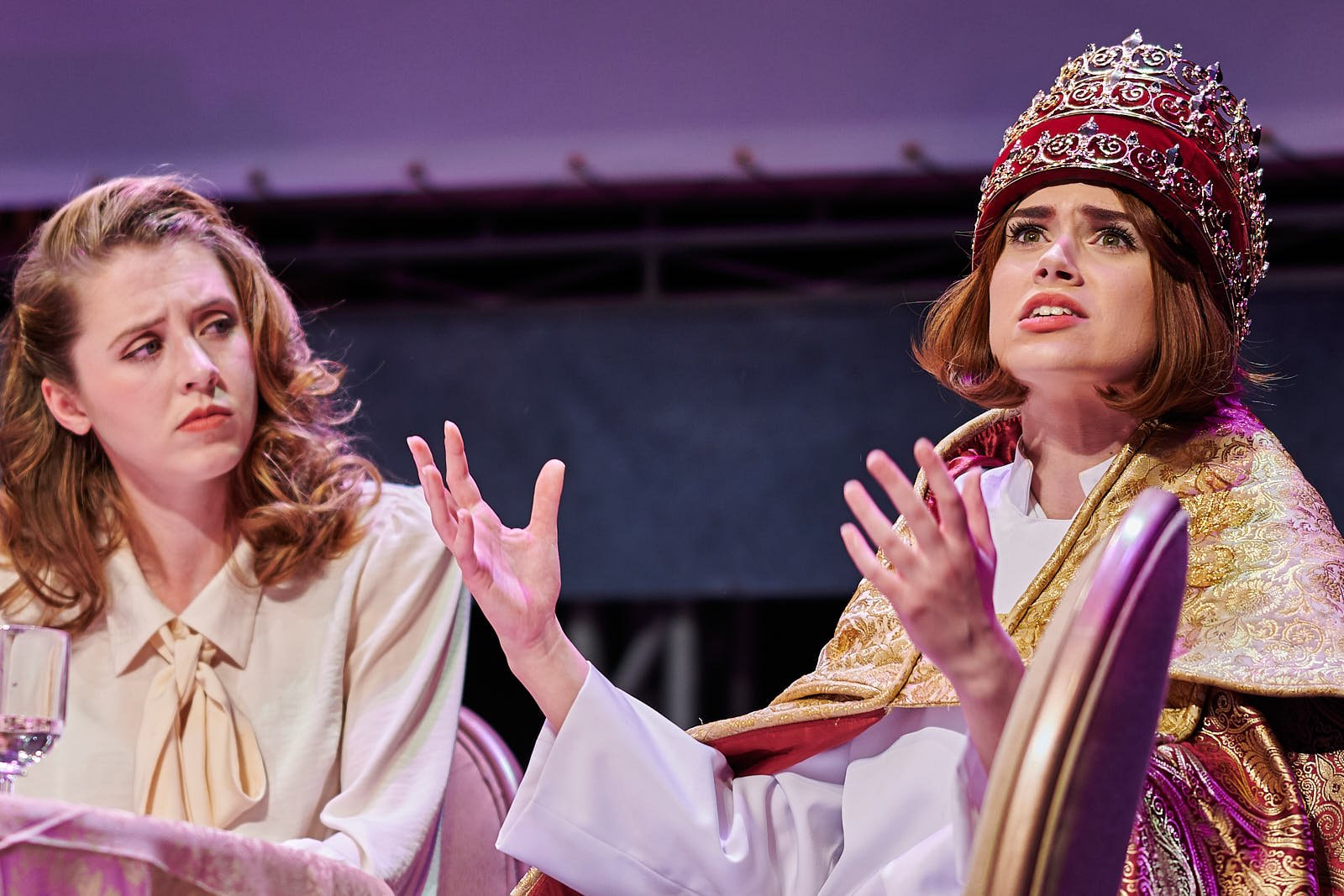
Top Girls
Poster design: Salem State University
Photo Credits: Matt Korahais and Kevin Doyle
Top Girls by Caryl Churchill
Directed by Julie Kiernan
Top Girls - Director’s note
Feminism. Feminist. Are these dirty words that birth nasty women or empowering words facilitating the growth of strong females?
In 1982, Caryl Churchill won the Obie Award in Playwrighting for Top Girls, which explores the lives of socially and politically oppressed women on their quest for equality. Churchill is known for breaking boundaries set in the male dominated world of playwrights. England, where Churchill lives, was amidst a feminist movement divided in the socio-political world of Thatcherism.
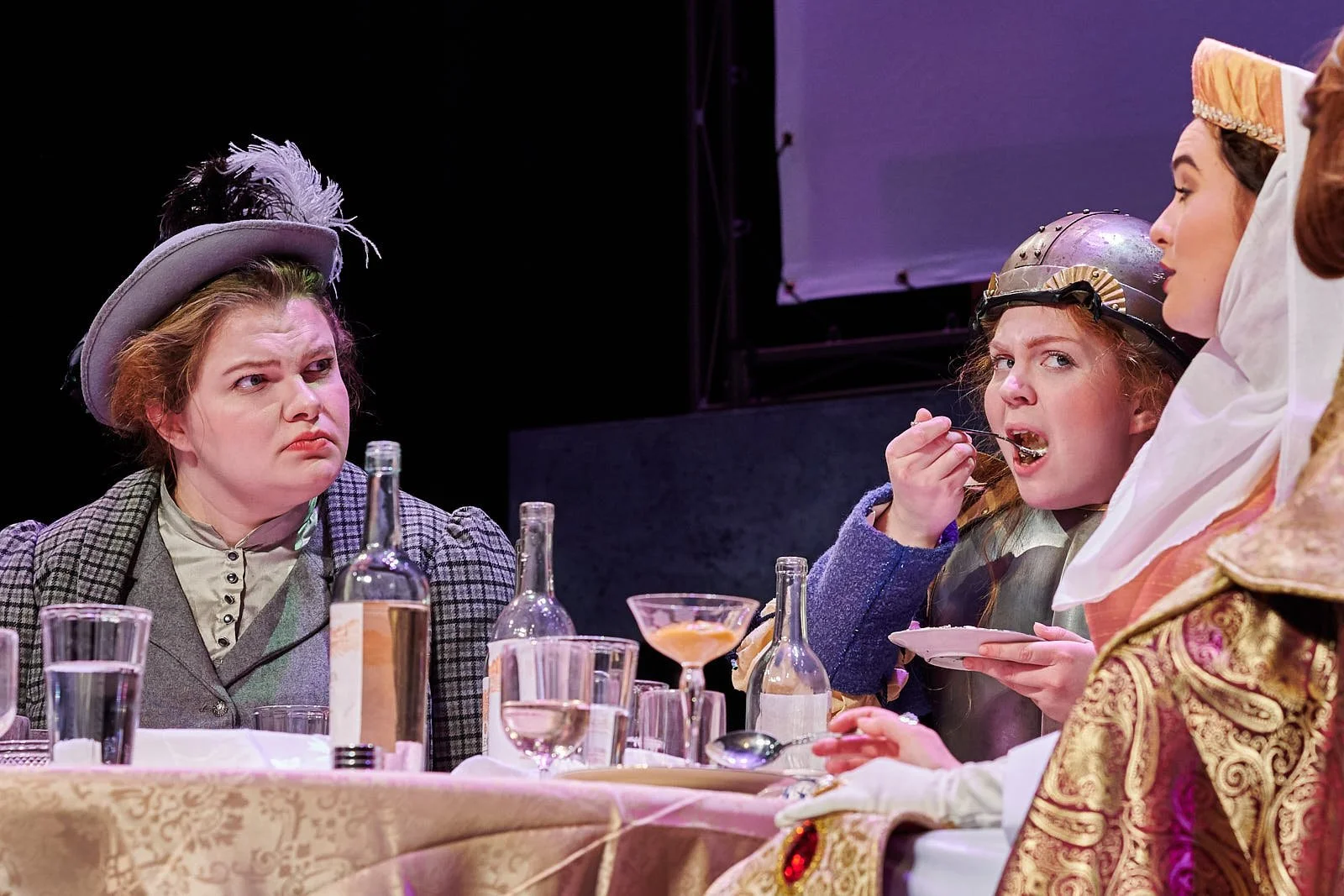
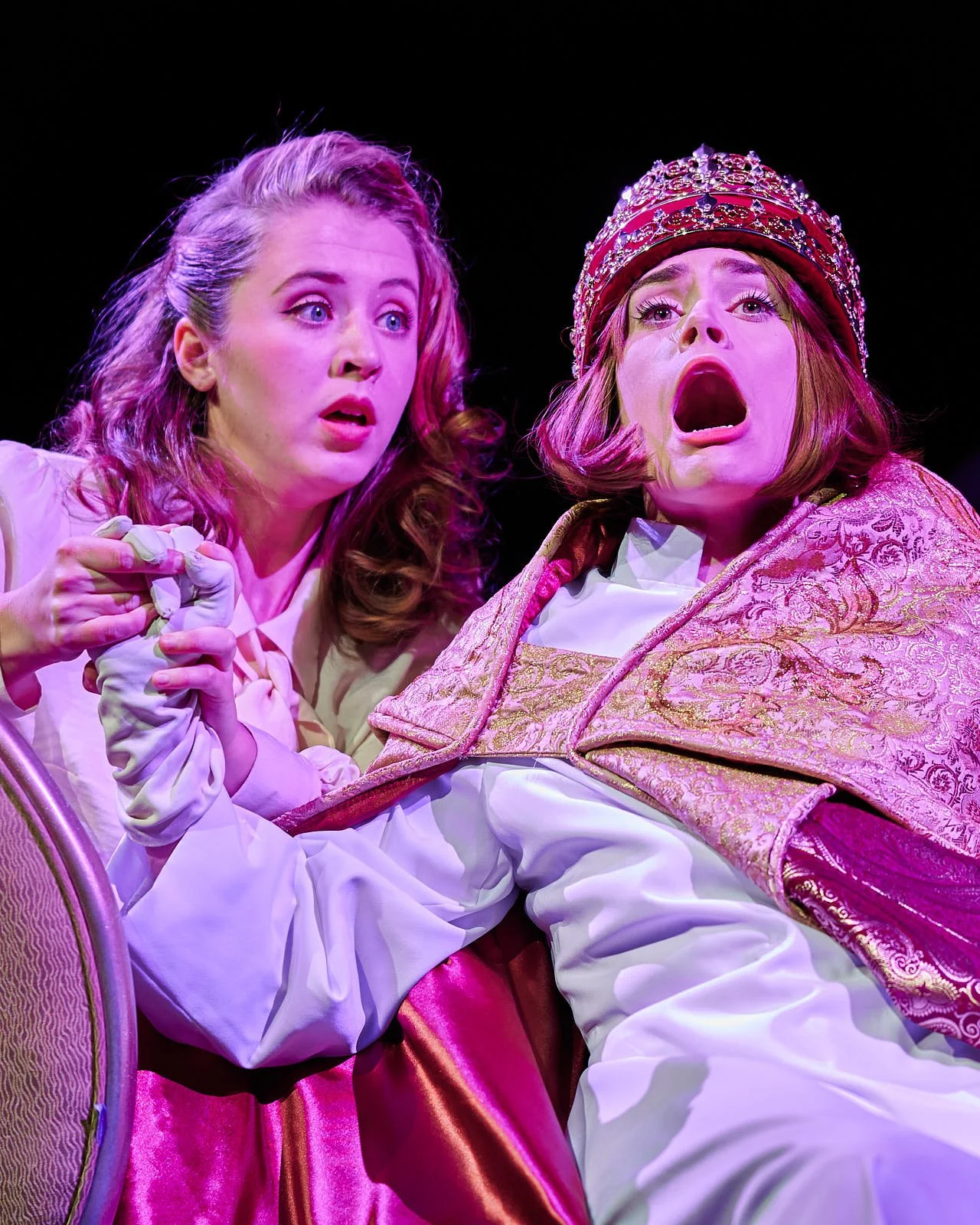
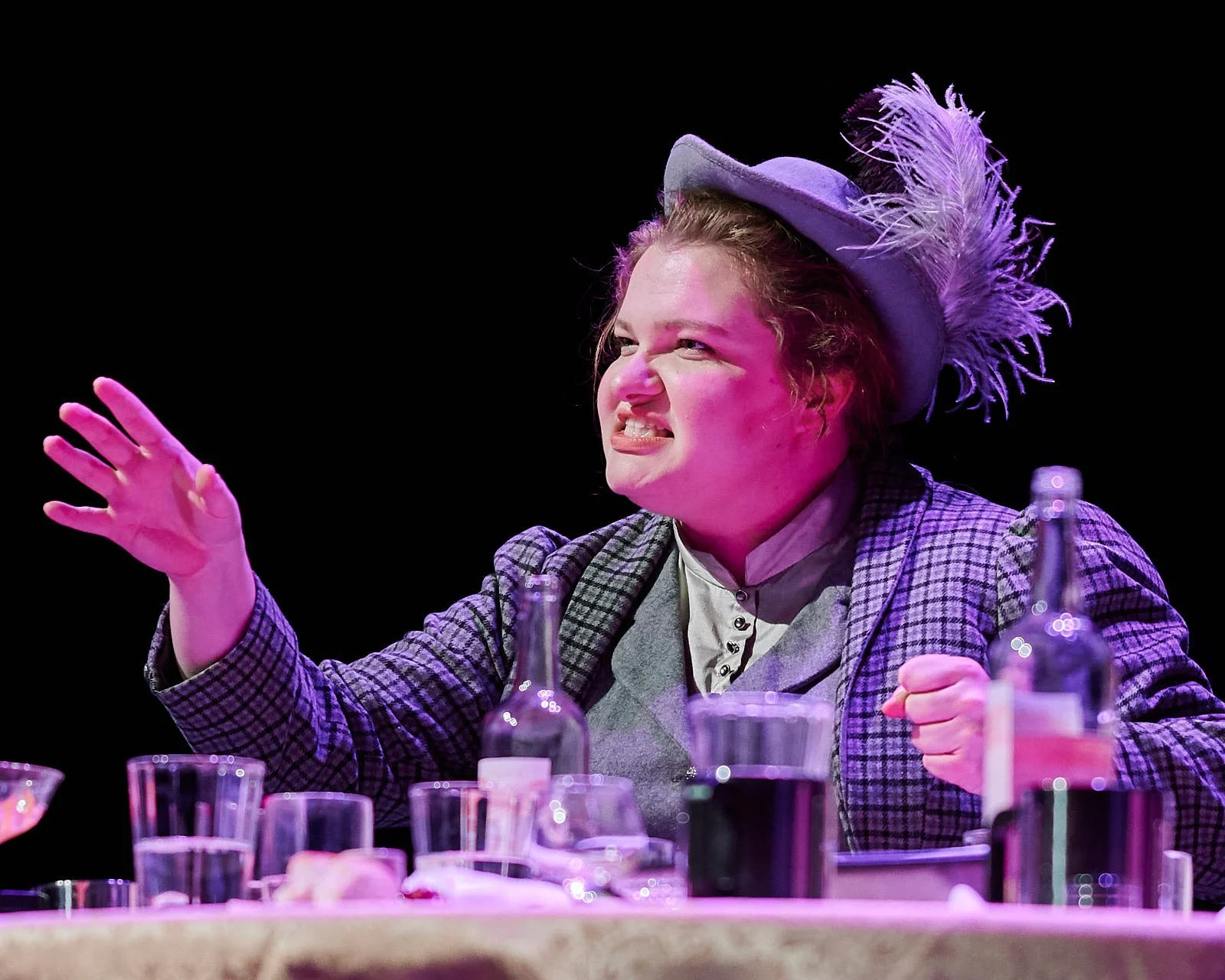
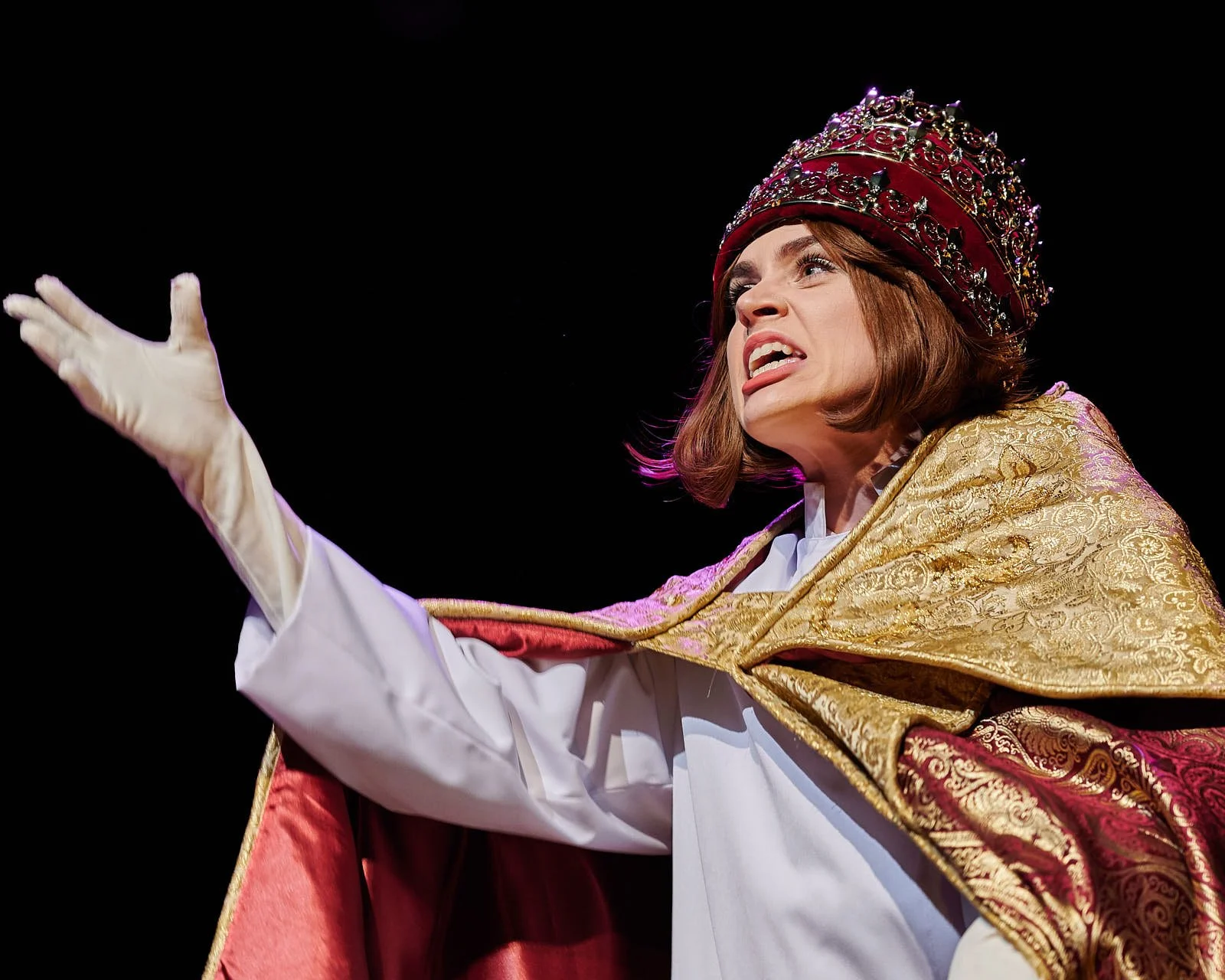
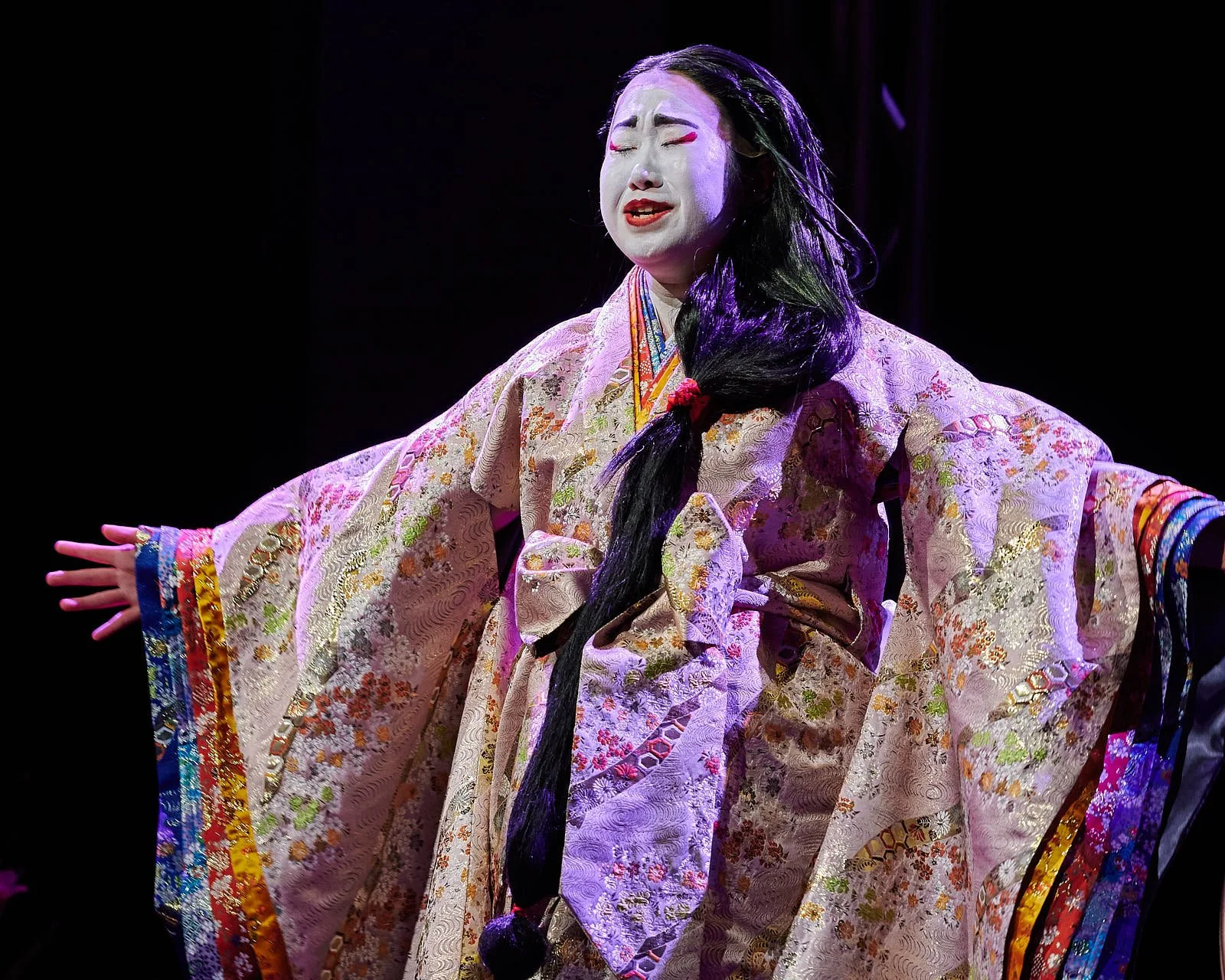
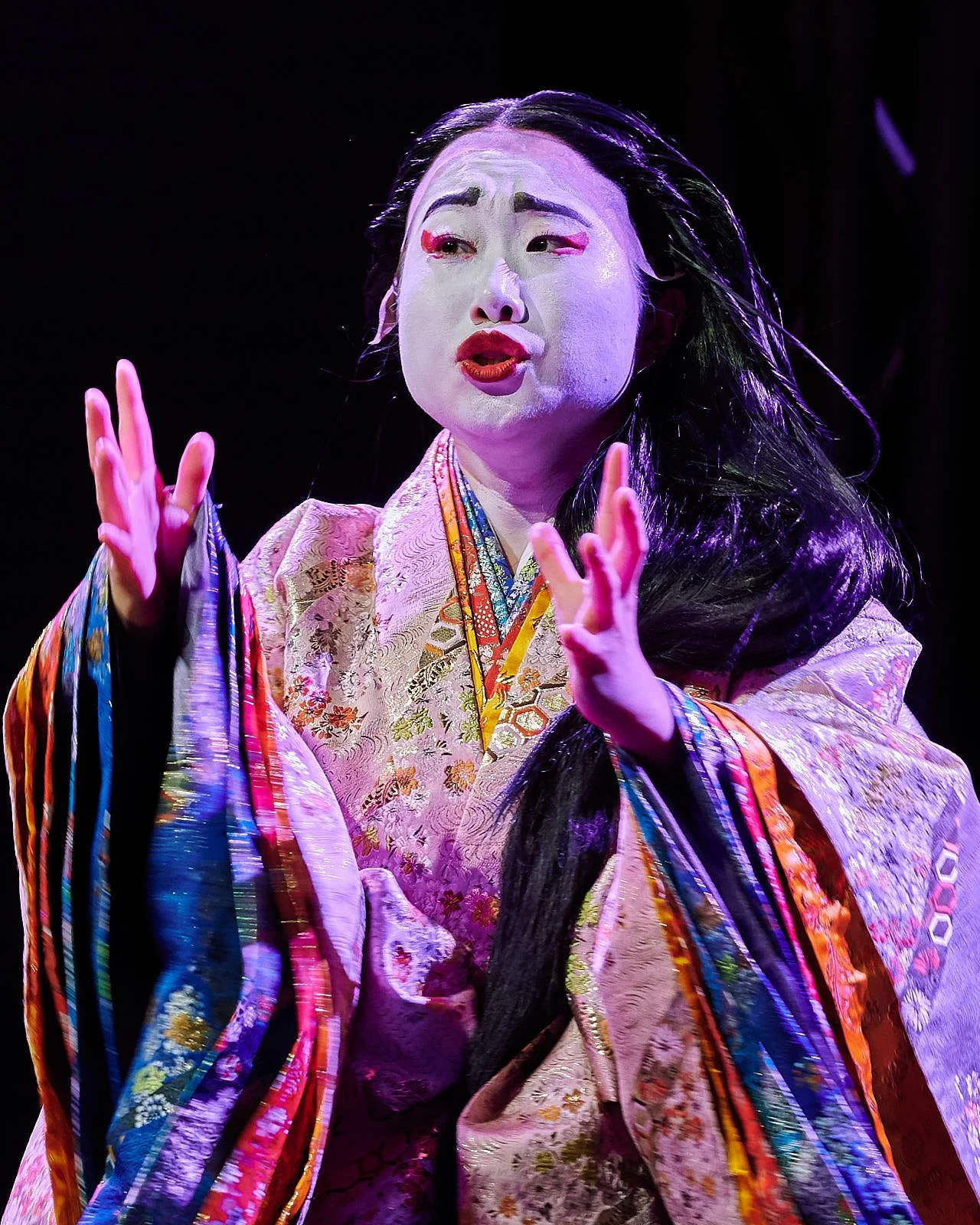
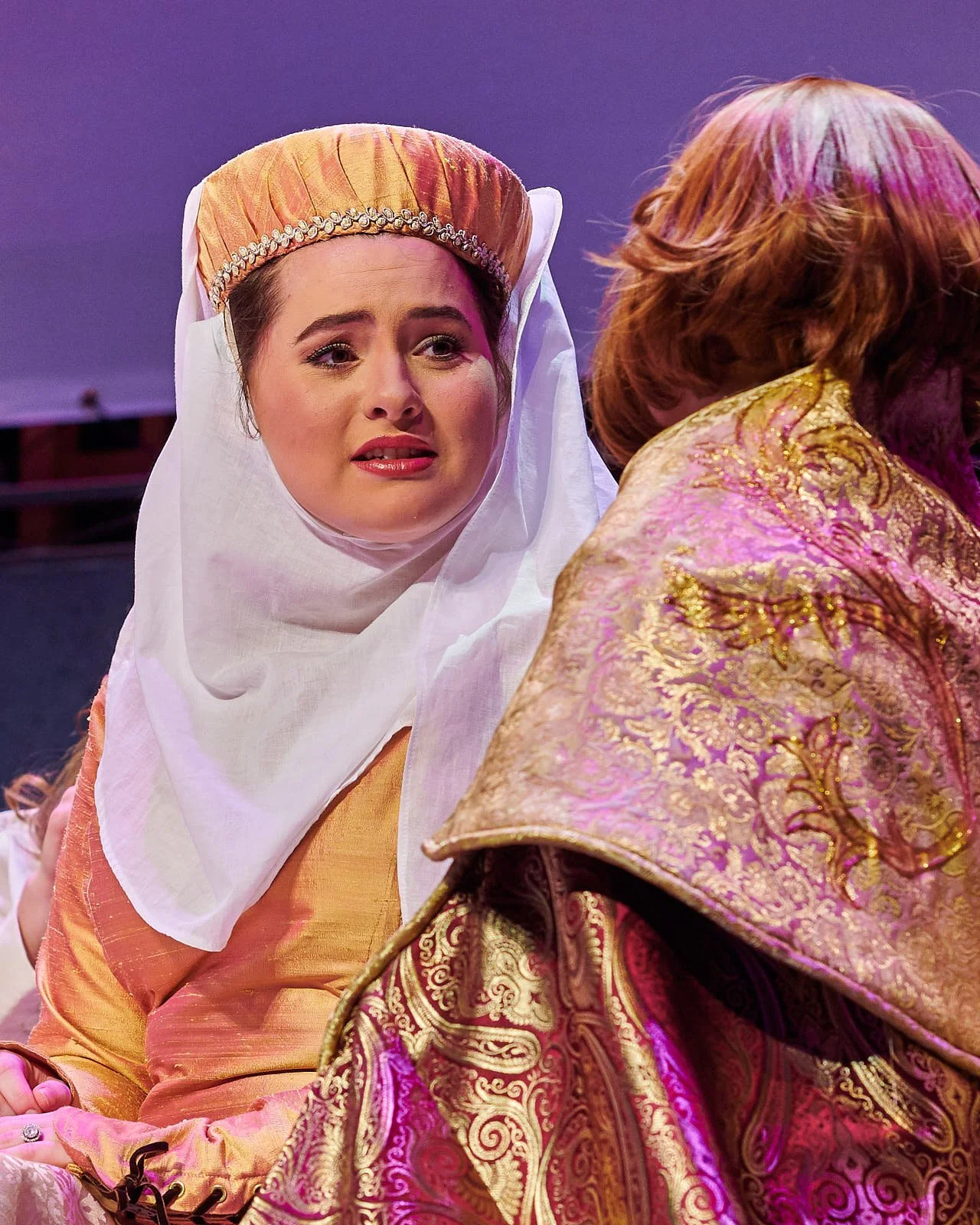
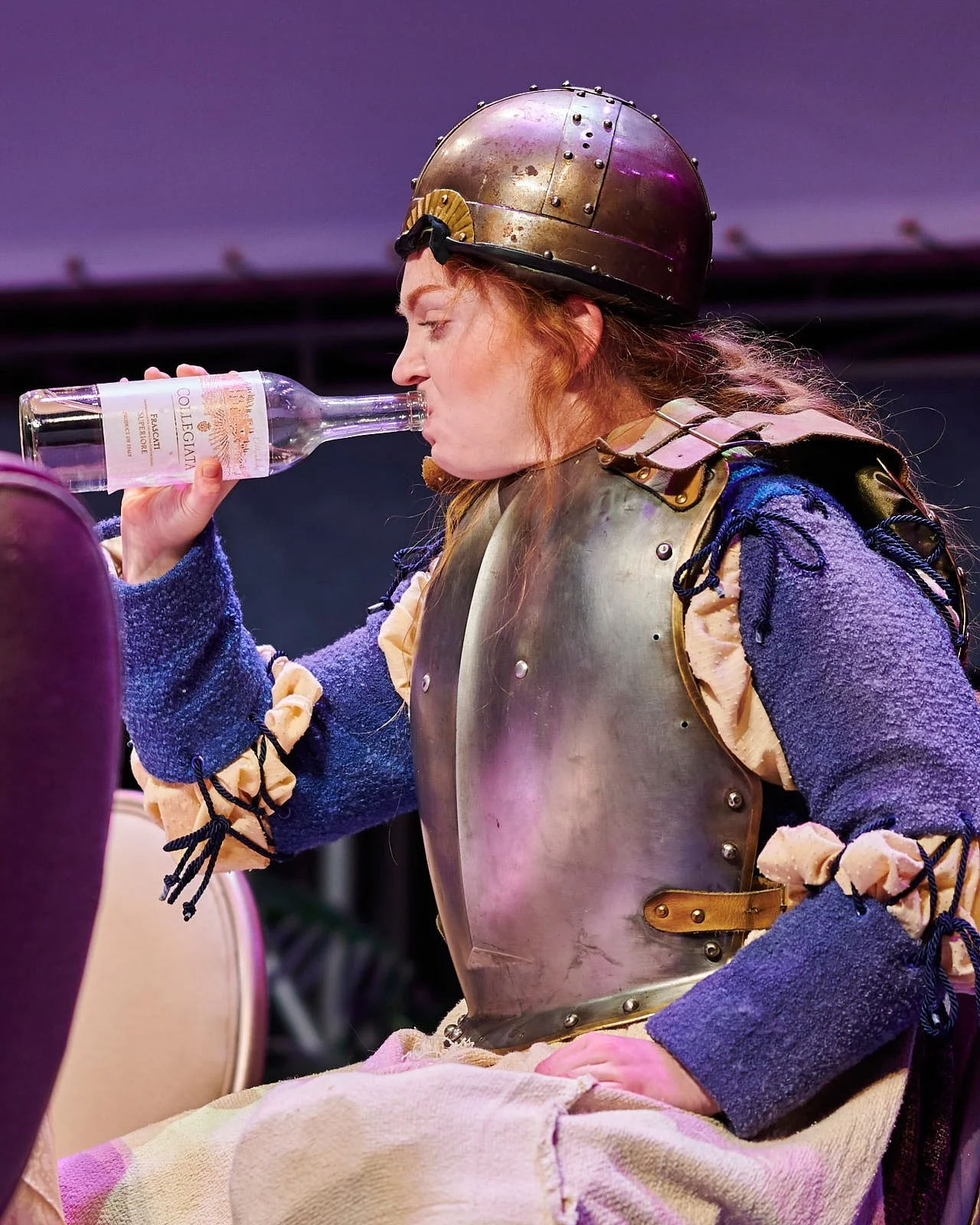
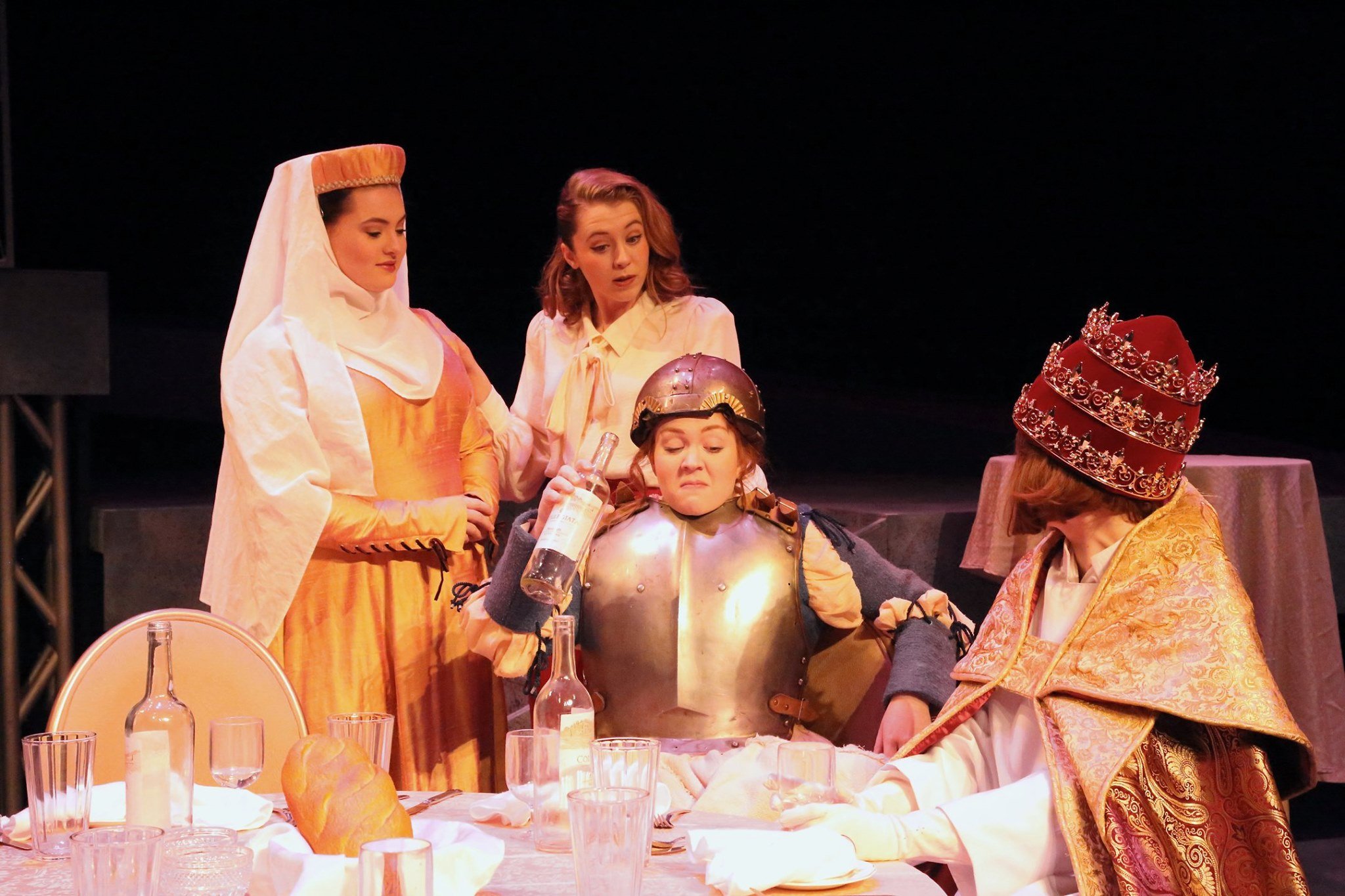
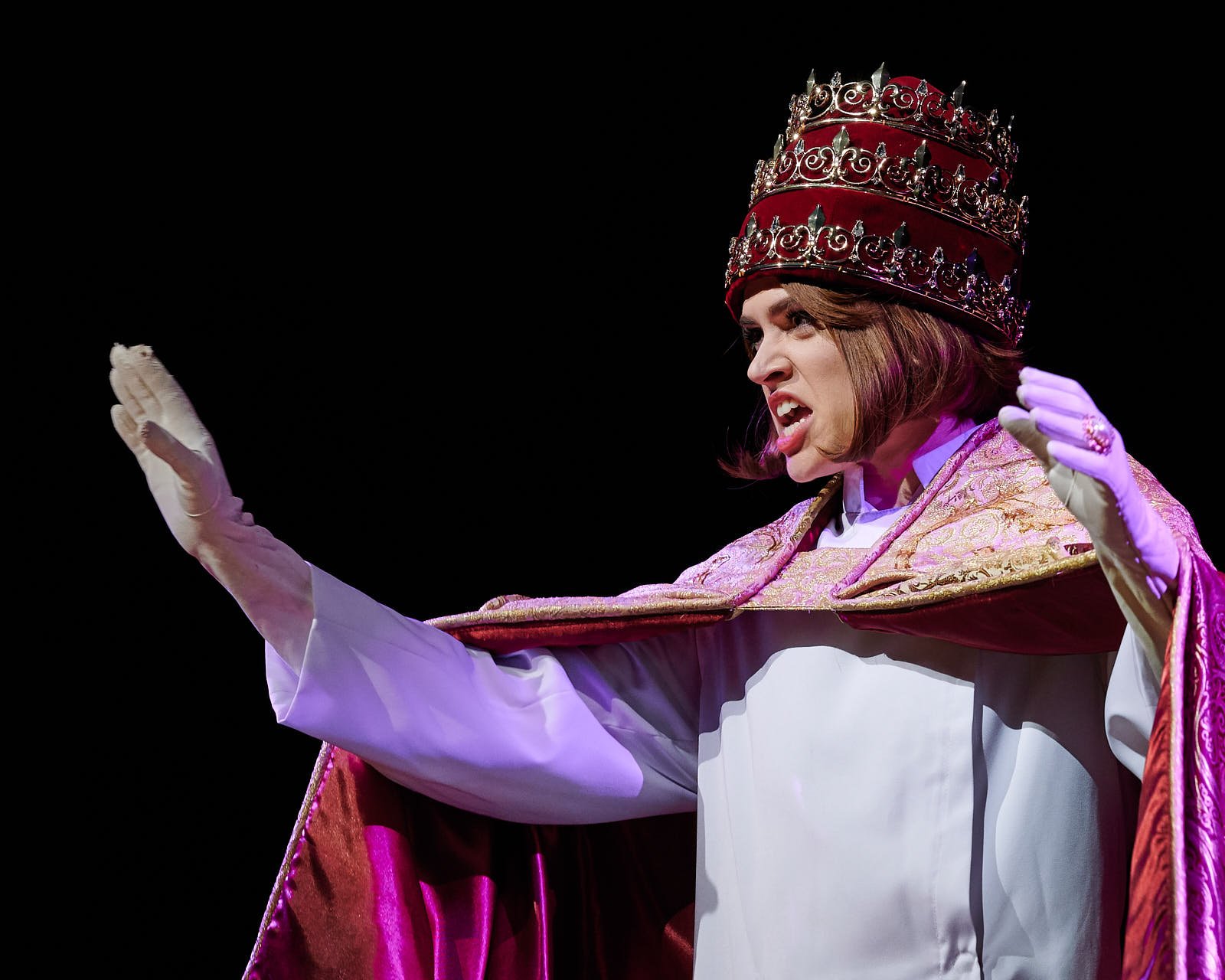
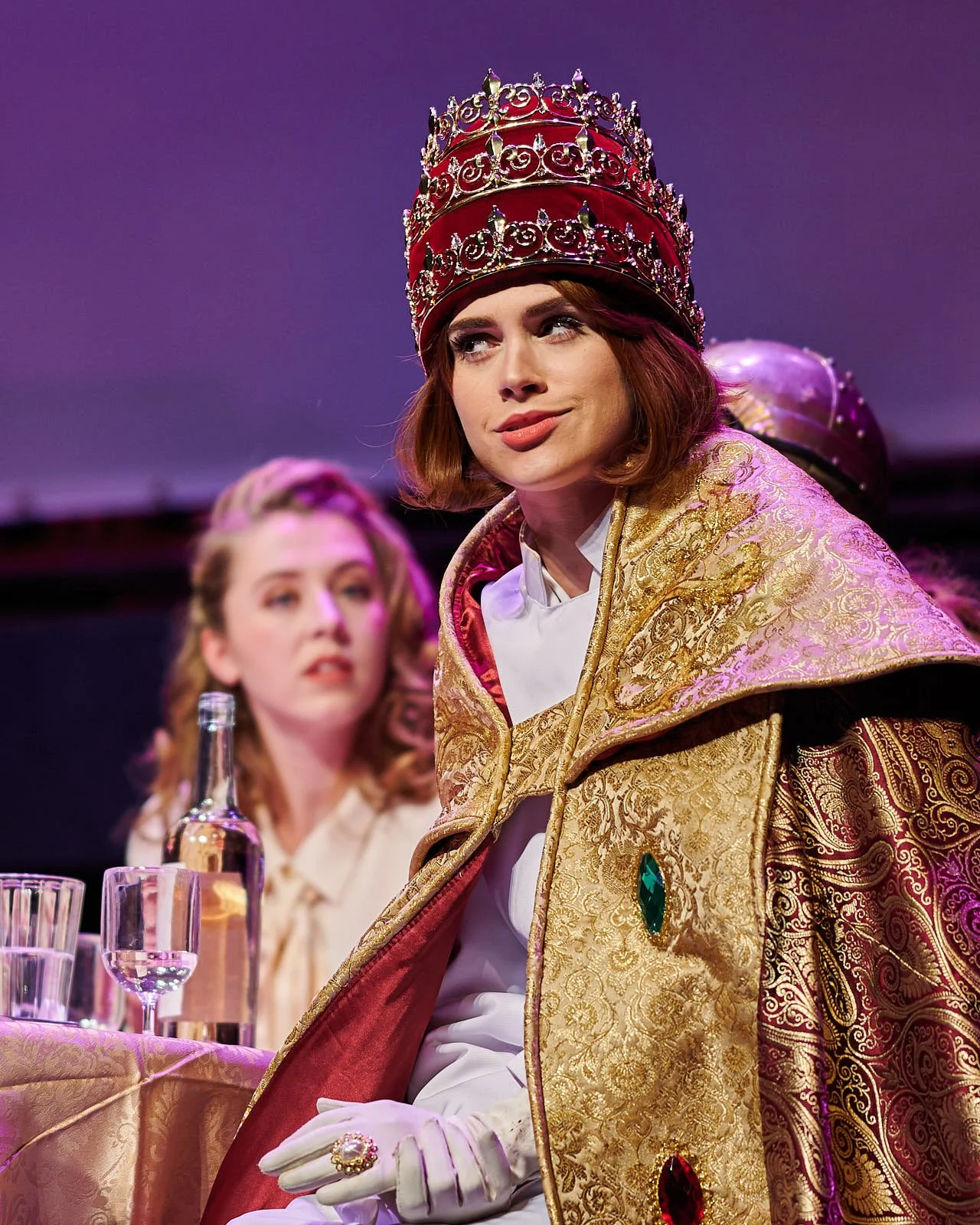
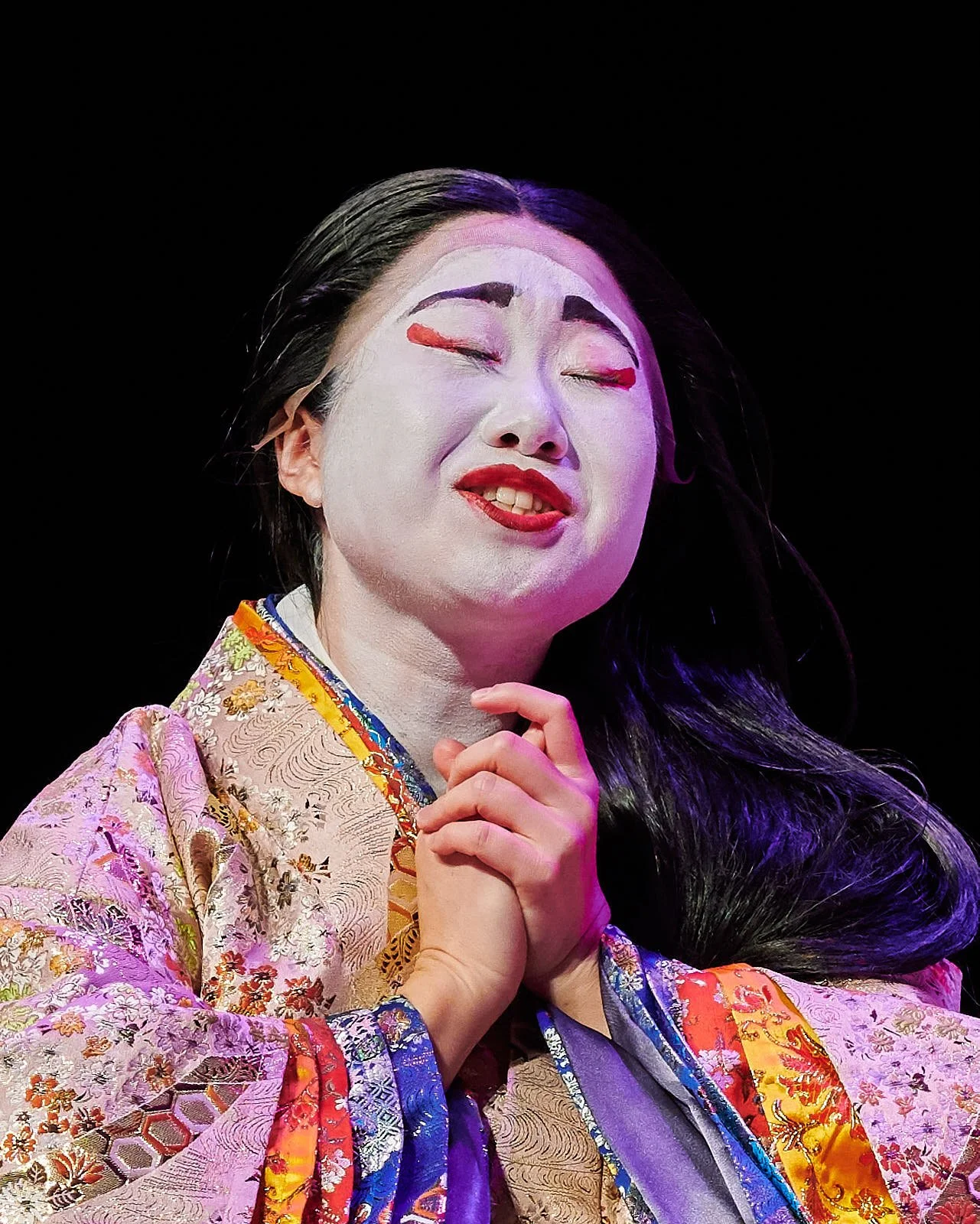
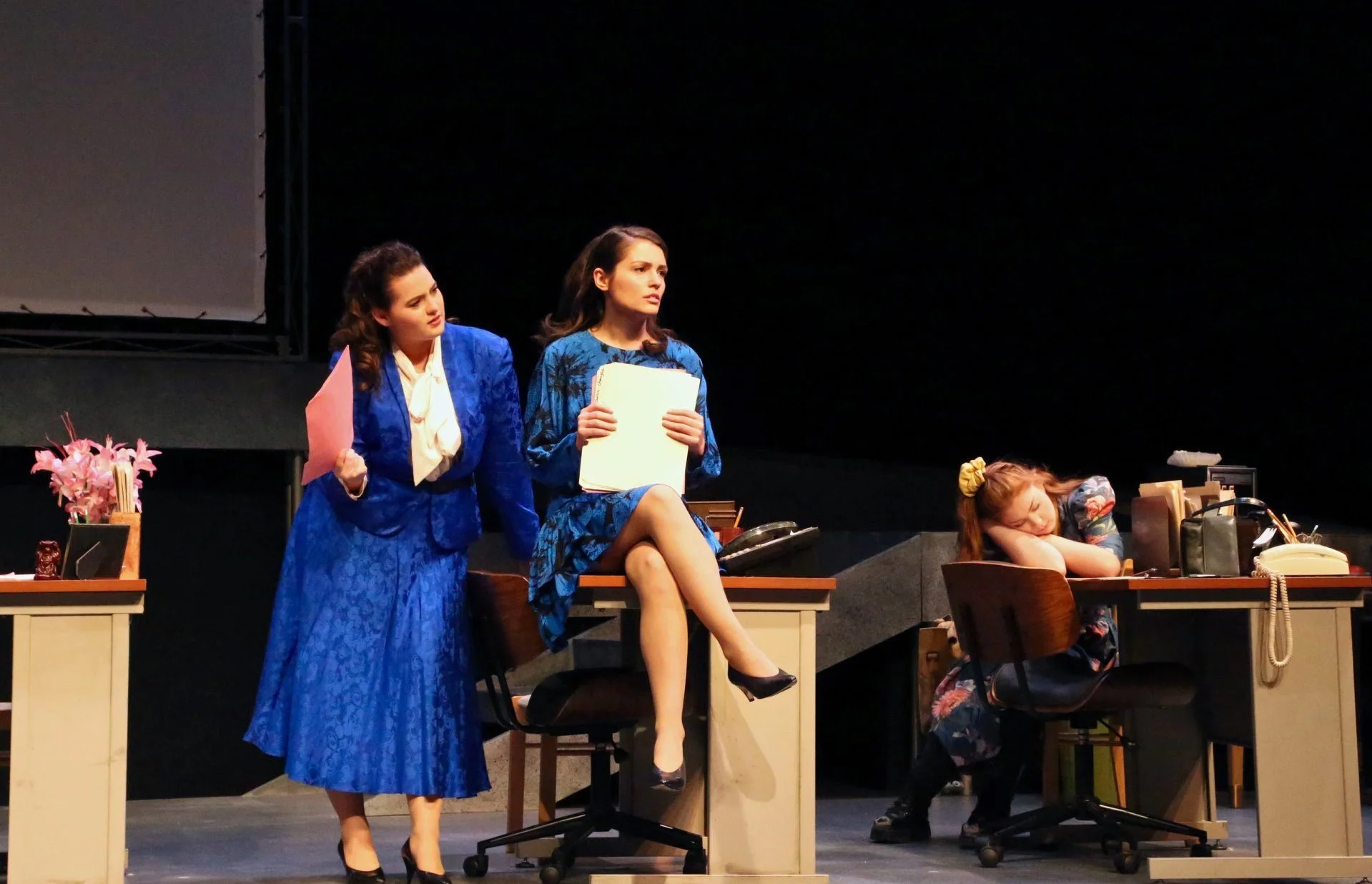
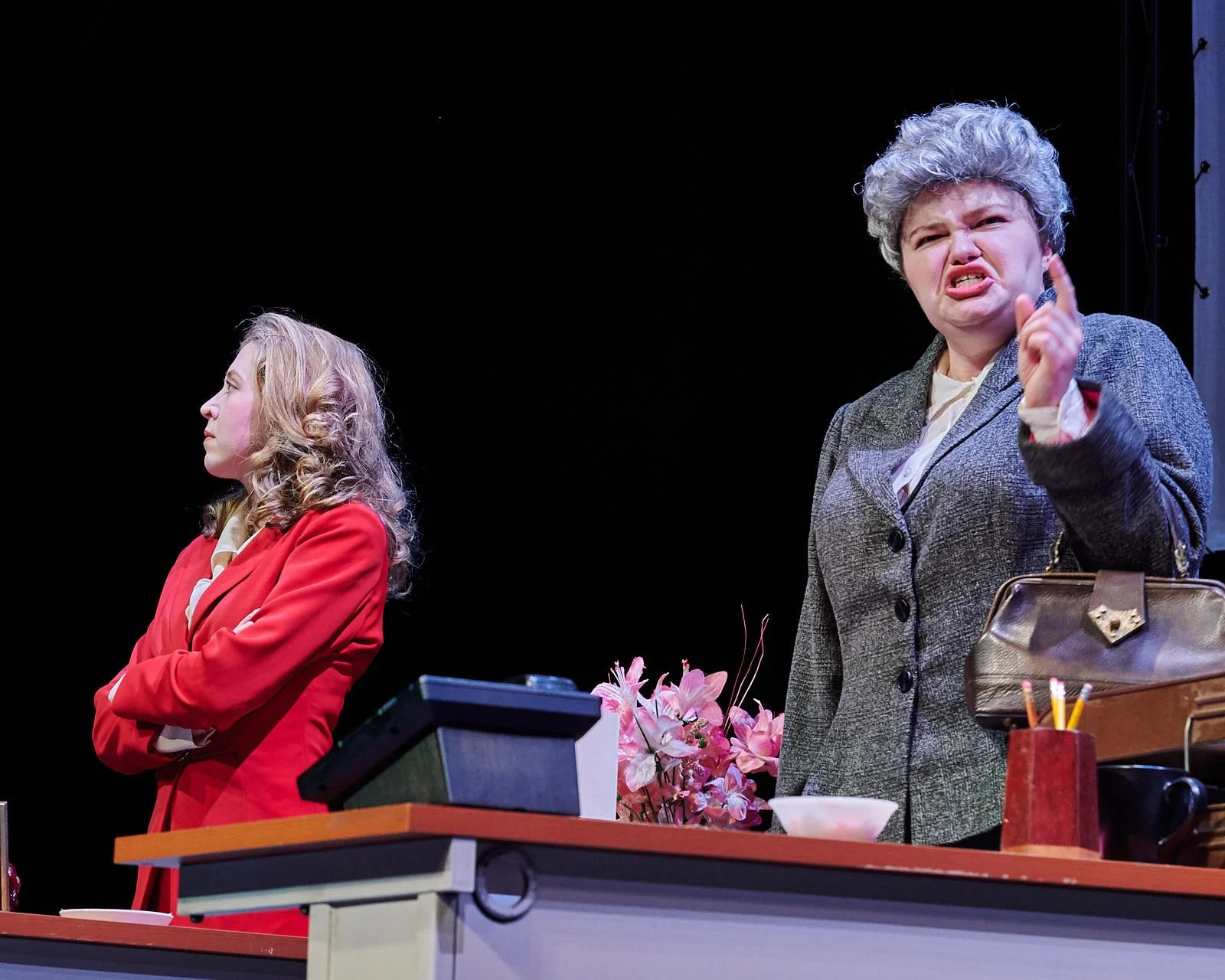
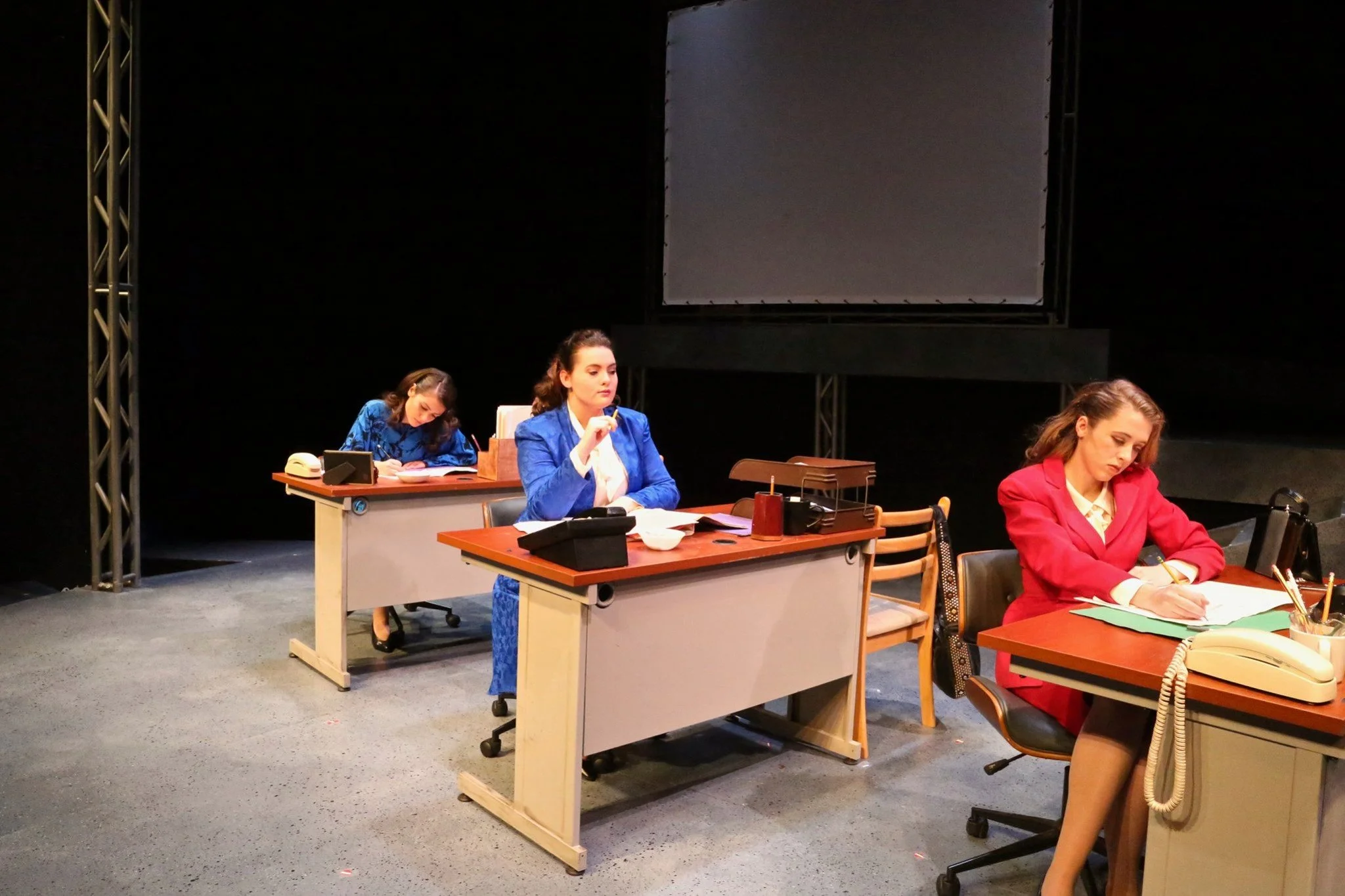
In Top Girls, Churchill uses time as a device to pose questions about the sacrifices that women have made to attempt to live equal to men. The play spans a millennium of feminism. Act 1 opens as the main character, Marlene, conjures famous historic female characters to attend a dinner celebrating her recent promotion. Marlene toasts them saying “We’ve all come a long way. To our courage and the way we changed our lives and our extraordinary achievements.” The following two acts challenge this statement. In Act 2, the audience catches a glimpse into Marlene’s current life and workplace in London as well as where she grew up in the countryside of Ipswich. In Act 3, Churchill time-travels back to a year earlier revealing the reality of Marlene’s life leading up her pinnacle achievement of promotion to managing director. Has anything changed through time for women? If so, at what cost?
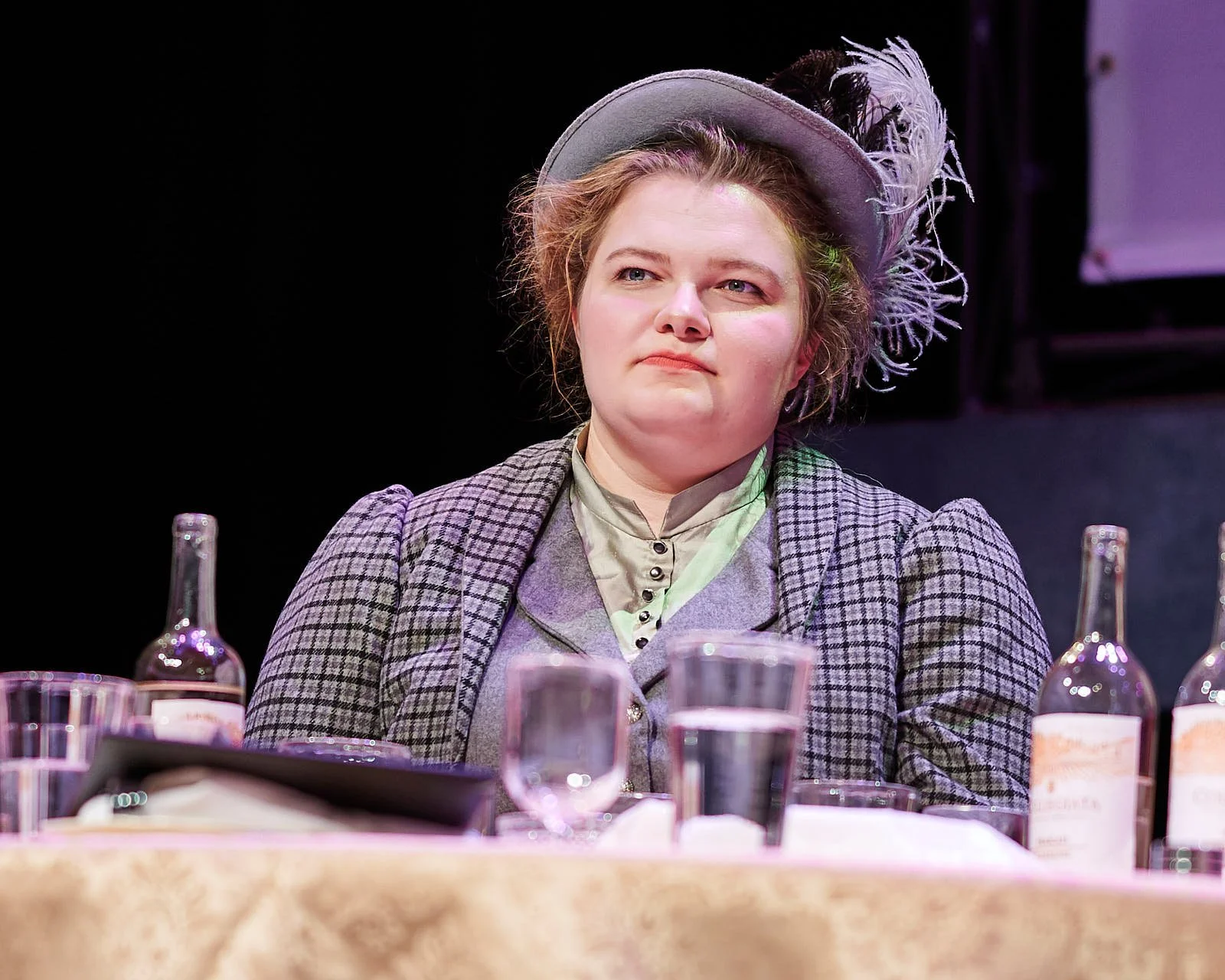
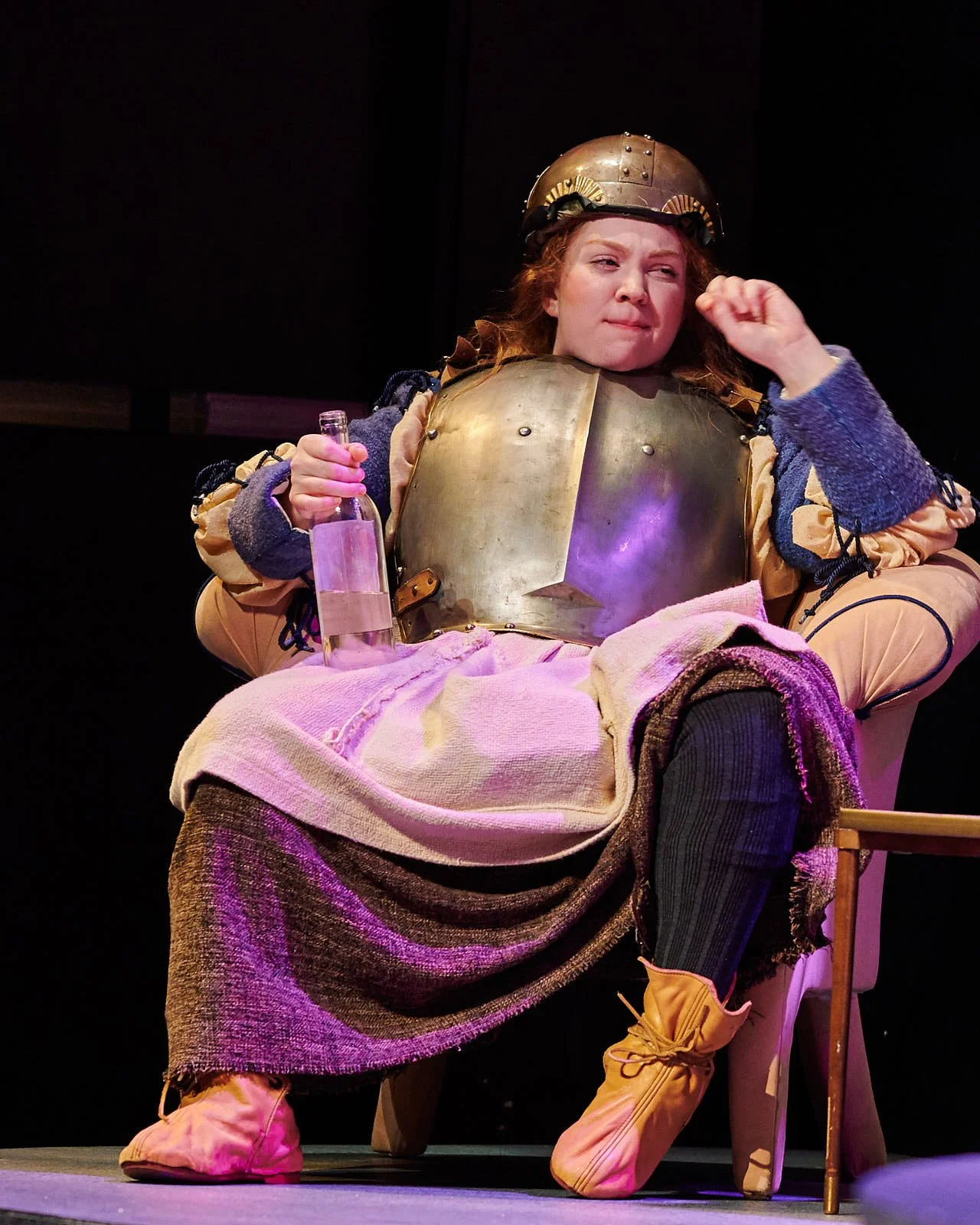
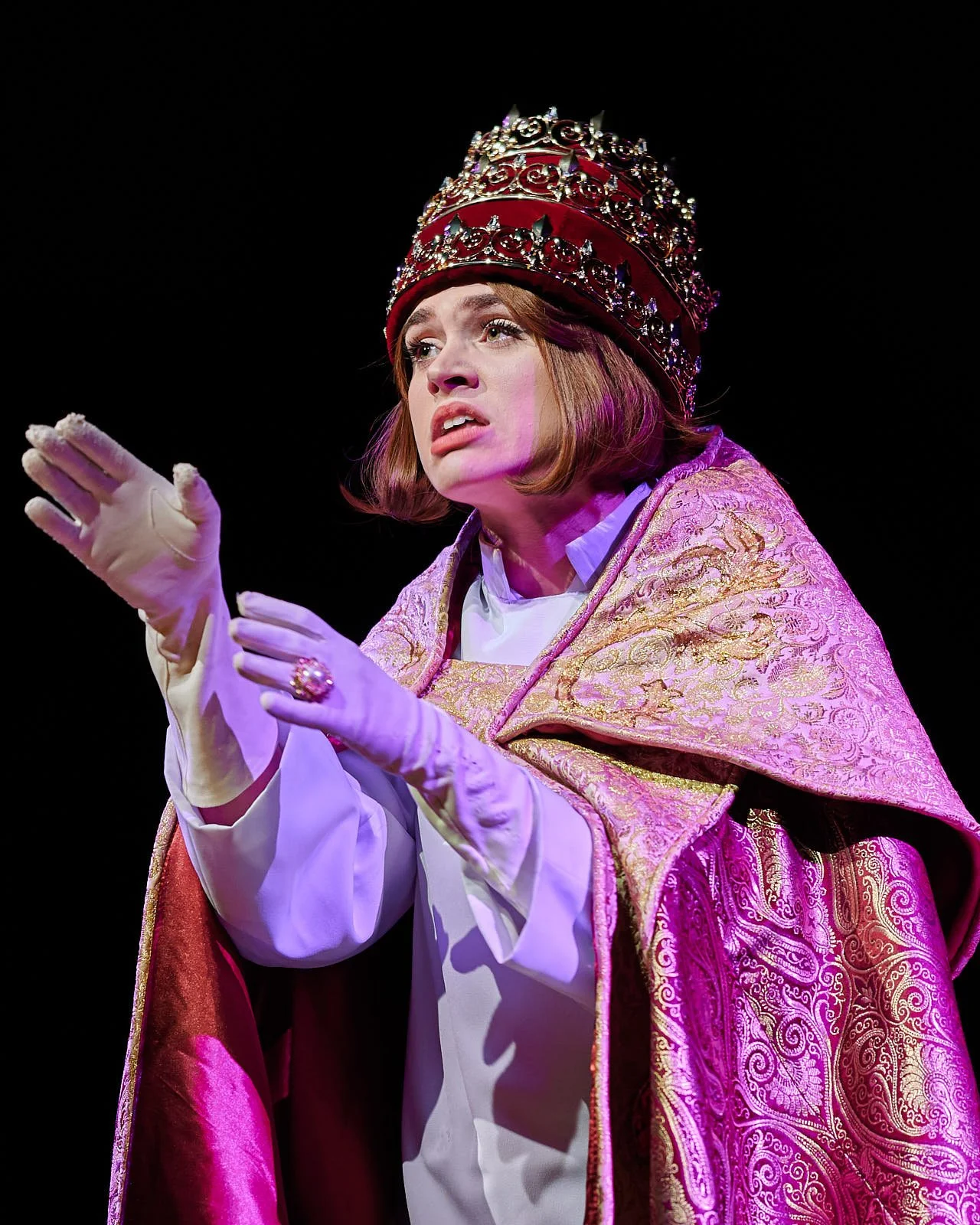
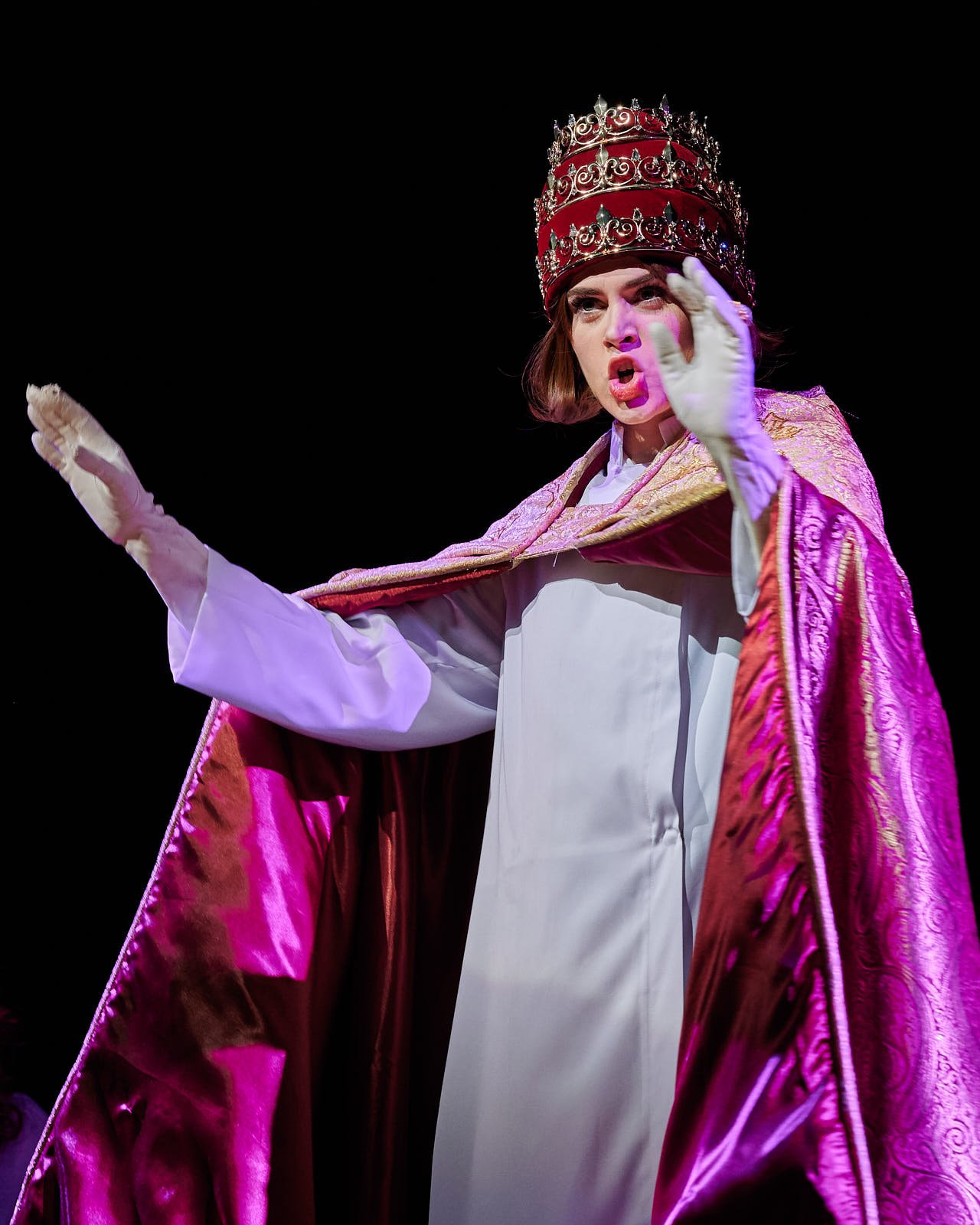
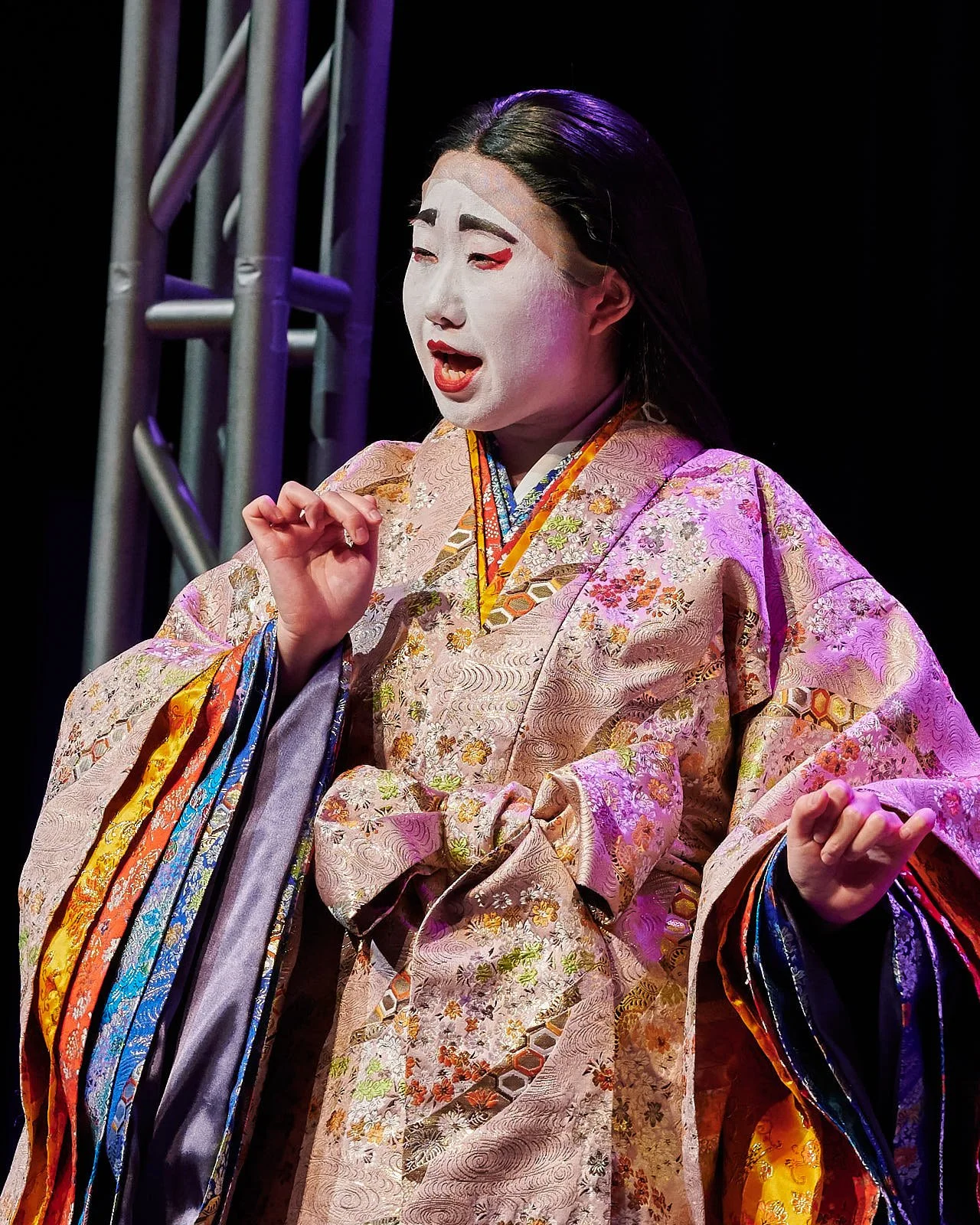
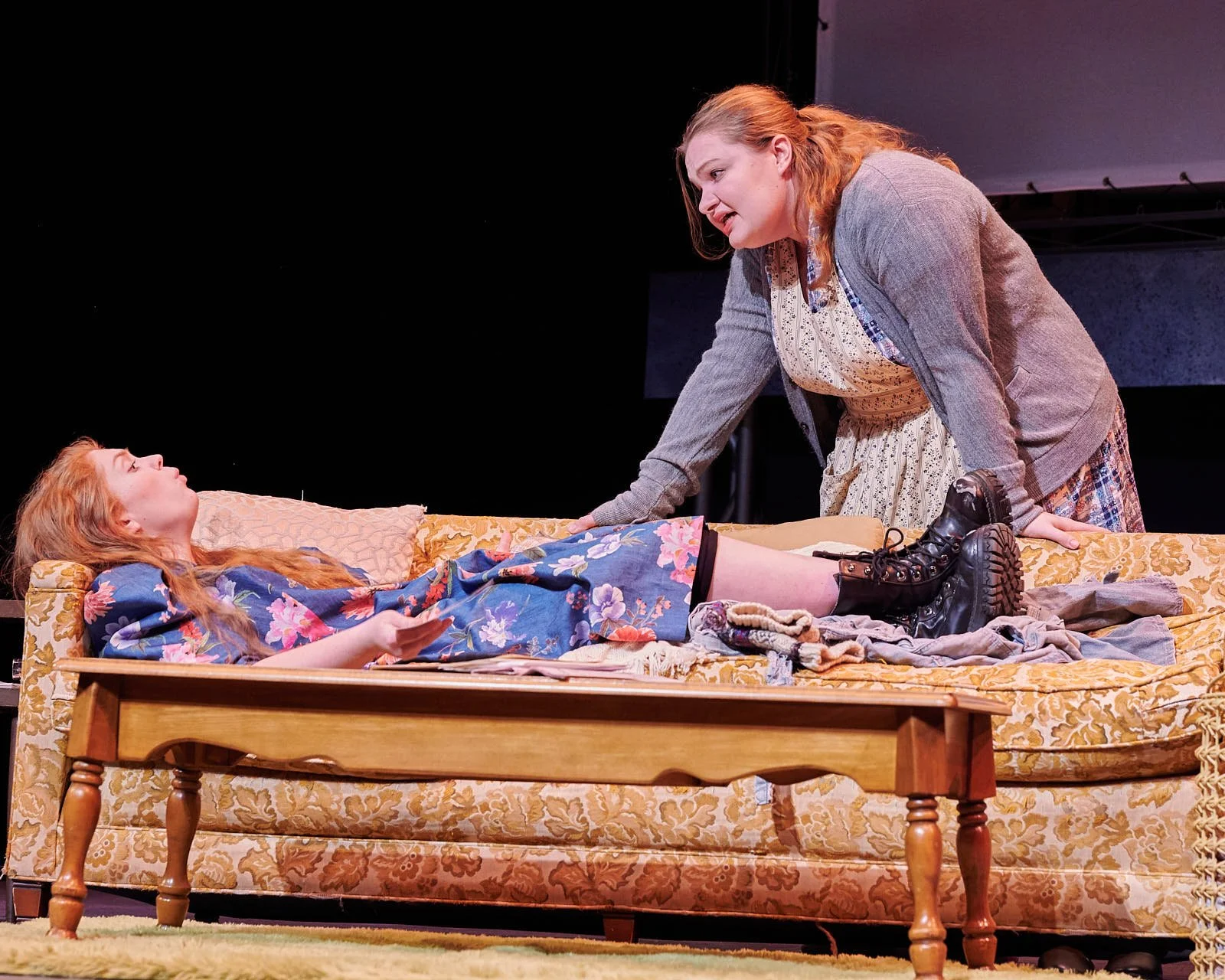
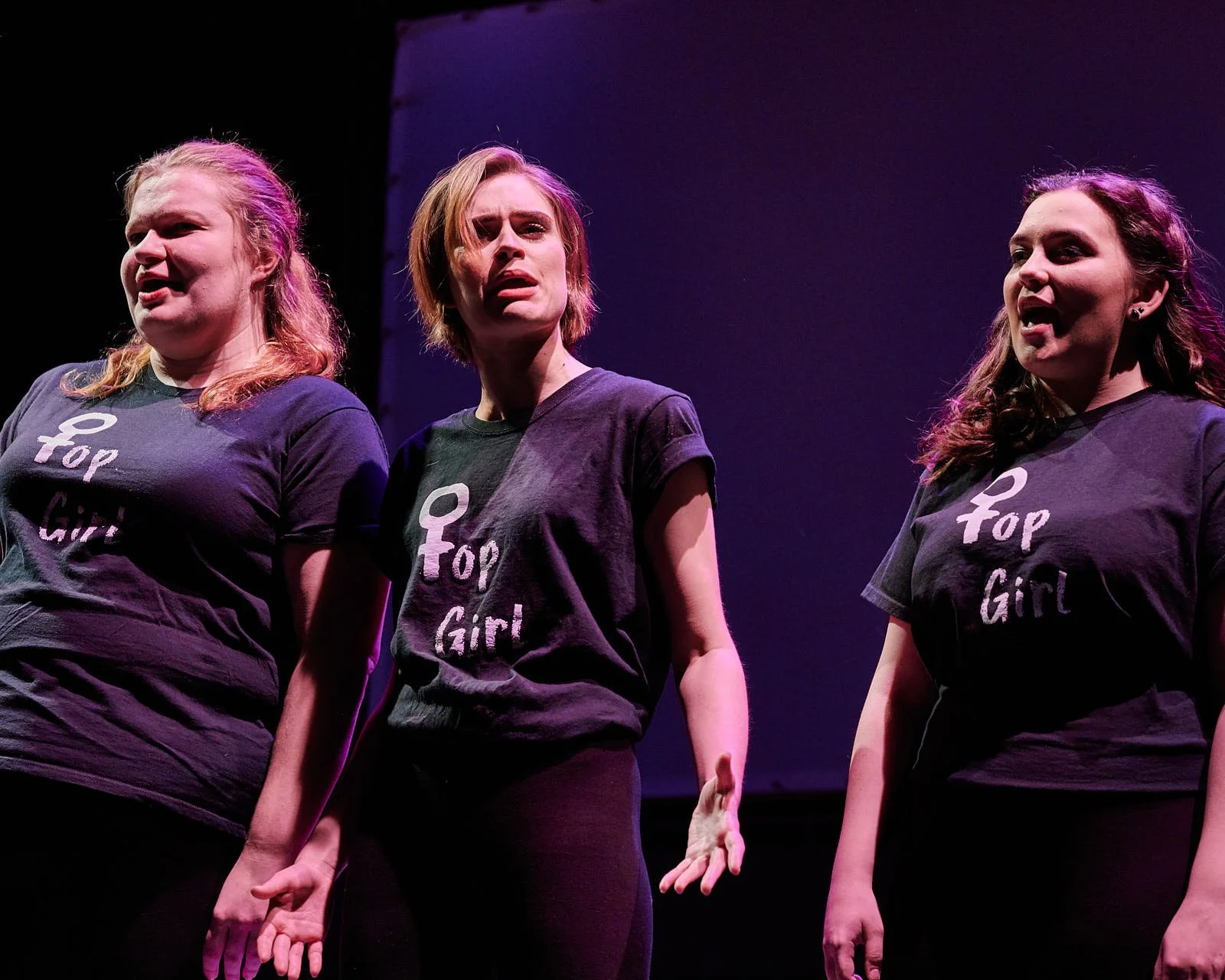
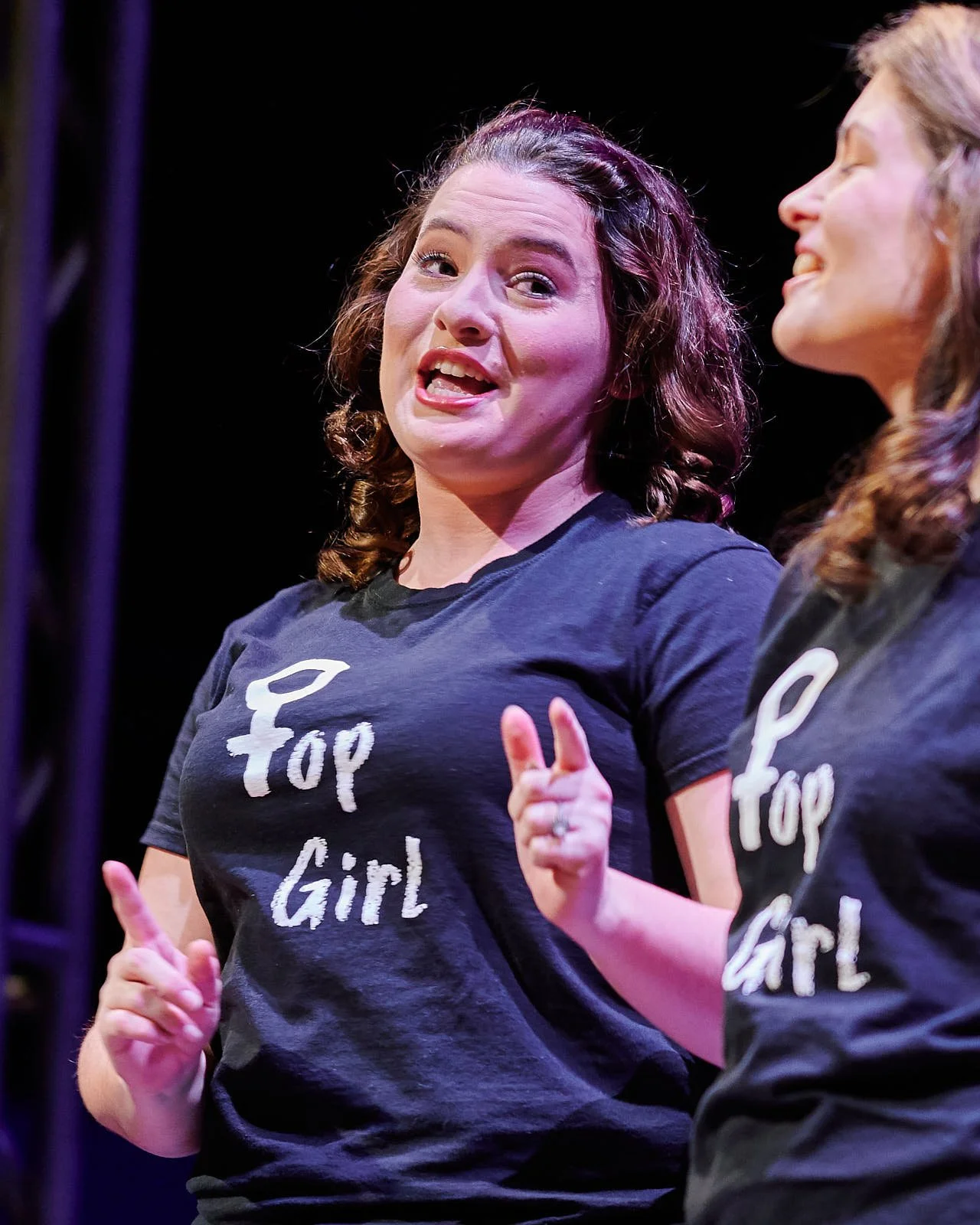
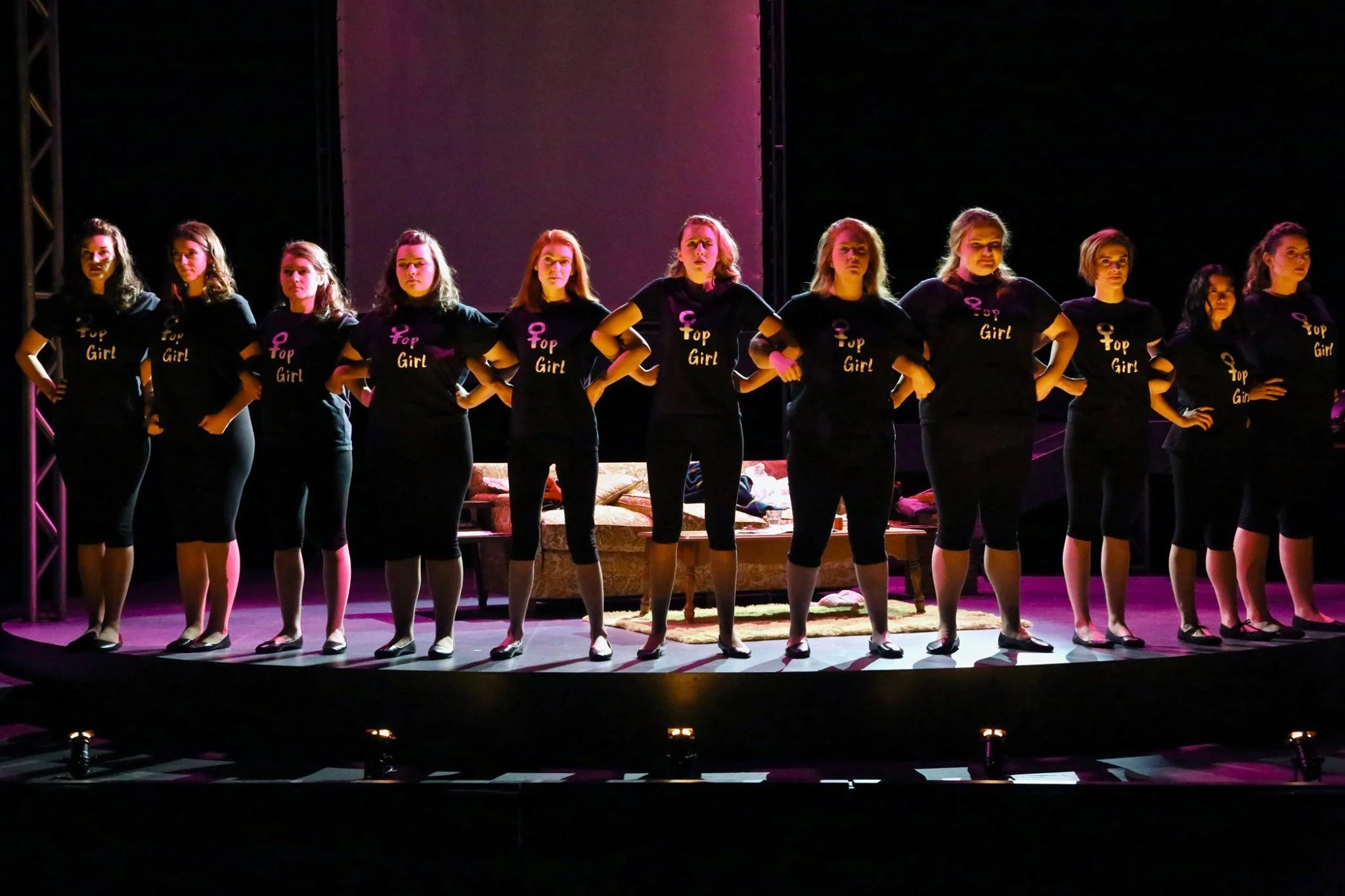
The use of time-as-device is extended and expanded upon in this 2019 production of Top Girls by placing the play inside of our devised Modern Museum of Feminism. The Sophia Gordon Theatre has been transformed into a museum enveloping you in the past, present, and future of feminism. Top Girls is a theatrical exhibit within this museum that presents the questions and themes of Caryl Churchill and of the early 1980s. Extending beyond the 80’s, the evening shares contemporary perspectives in a variety of artistic formats: a student art exhibition, a video of student testimonials, a historic costume presentation, an interactive exhibit with modern feminist quotes, as well as a section featuring North Shore organizations that promote the health and vitality of woman. One key contemporary connection are the songs the company of actresses sings through transitions. The song lyrics eerily connect to the story of the play, though they were written in the last few years by the contemporary musician Heather Mae. In her own words, her music “tackles complex topics surrounding mental health, LGBTQ+ issues, self-love, racial injustice, social inequality, and women’s rights.” These songs offer a current artistic take on the themes presented in the play allowing the actresses to show their own modern voice alongside the playwright’s.
Bringing this evening together for the audience, has been a labor of love and collaboration among a variety of supportive women and women’s organizations. What does this say about the times? Are more pockets of collaboration among the intersectionality of modern feminism arising around the world? Are social movements such as #metoo allowing for women to come together rather than take sides?
Our choice to present Top Girls inside of the devised Modern Museum of Feminism asks: Is 2019 any different than what has come before? Can we learn from the past? What is the future? Who is going to create it? What is your part to play?
Thank you for joining us. You make this evening complete.
Enjoy the show,
Julie Kiernan
Director
November 21, 2019